
Healthy Meal Prep: A Complete Weekly Planning Guide
Introduction
Between work deadlines, school pickups, and the general chaos of adult life, healthy eating often gets pushed to the bottom of the priority list. When 6:00 PM rolls around and no one has thought about dinner, the default becomes takeout, frozen pizza, or whatever can be assembled in under five minutes — usually not the most nutritious option. Meal prep is the practical solution that bridges the gap between wanting to eat well and actually doing it consistently. This guide will walk you through everything you need to know to make meal prep work for your real life, not some idealized version of it.
Why Meal Prep Reduces Poor Eating Decisions
The science behind meal prep is rooted in something called decision fatigue. Every choice you make throughout the day depletes your mental energy, and by evening, your brain is actively looking for the path of least resistance. Research from Cornell University found that adults make over 200 food-related decisions every day — most of them unconsciously. When food is already prepared and sitting in your fridge, you eliminate that decision entirely. You’re not choosing whether to eat well; you’re just reheating.
Beyond psychology, there is a strong economic argument. The average American household spends about $166 per week on groceries, while a single restaurant meal can cost $15–$20 per person. A week of prepped meals for a family of four can cost significantly less than even a few takeout nights. The USDA Economic Research Service consistently shows that home-cooked meals are substantially cheaper per serving than food away from home.
Meal prep also reduces food waste. When you shop with intention and use ingredients across multiple meals, produce and proteins get used rather than forgotten in the back of the refrigerator. Less waste means more money saved and a more sustainable kitchen.
How to Choose a Meal Prep Style That Fits Your Life
There is no single correct way to meal prep, and the biggest mistake beginners make is trying to copy someone else’s system instead of building their own. The three main styles are:
1. Full Meal Prep: You cook and assemble complete, ready-to-eat meals for the entire week. This works well for single adults or couples who don’t mind eating the same meals on rotation.
2. Component Prep (Ingredient Prep): You cook individual components — grains, proteins, roasted vegetables — and mix and match them throughout the week. This offers more flexibility, prevents flavor fatigue, and is especially useful for families with picky eaters.
3. Batch Cooking with Freezing: You make large quantities of freezer-friendly meals like soups, chilis, casseroles, and grains, and freeze portions for future weeks. This is ideal for parents who want a safety net without cooking every Sunday.
Questions to help you decide:
– How many people are you feeding, and do they have different preferences?
– Do you prefer variety or simplicity?
– How much freezer space do you have?
– Do you have two to three hours on a weekend, or only short windows during the week?
Most families find that a hybrid of component prep and batch cooking works best. You might prep grains and proteins on Sunday, roast fresh vegetables mid-week, and keep one or two complete freezer meals on standby.
Building a Balanced Meal Prep Menu for the Week
A nutritionally balanced plate should include a lean protein, a complex carbohydrate, healthy fats, and plenty of vegetables. In plain language, that means:
- Protein (chicken breast, eggs, lentils, ground turkey): Keeps you full, supports muscle repair, and stabilizes blood sugar.
- Complex carbs (brown rice, quinoa, oats, sweet potato): Provides sustained energy without sharp blood sugar spikes.
- Healthy fats (olive oil, avocado, nuts, seeds): Supports brain function and helps absorb fat-soluble vitamins.
- Vegetables and fiber: Crucial for digestion, immunity, and long-term disease prevention.
Sample Balanced Weekly Meal Plan
| Meal | Monday/Wednesday | Tuesday/Thursday | Friday |
|---|---|---|---|
| Breakfast | Overnight oats with berries and almond butter | Scrambled egg muffins with spinach | Overnight oats (remaining) |
| Lunch | Grain bowl: quinoa, roasted chicken, roasted veggies, tahini | Lentil soup with whole grain bread | Chicken grain bowl (remaining) |
| Dinner | Sheet pan chicken thighs with broccoli and sweet potato | Ground turkey taco bowls | Lentil soup + salad |
| Snack | Greek yogurt + walnuts | Apple + almond butter | Hard-boiled eggs |
Approximate daily macros (per adult):
– Calories: 1,800–2,100
– Protein: 90–110g (“roughly the size of your palm at each meal”)
– Carbohydrates: 200–230g (“one to two fist-sized portions per meal”)
– Fat: 55–70g (“a thumb-sized portion of fat at most meals”)
– Fiber: 25–35g (“half your plate should be vegetables or legumes”)
This plan uses overlapping ingredients — chicken, quinoa, and roasted vegetables appear multiple times — which simplifies both shopping and prep.
Step-by-Step Sunday Prep Session Walkthrough
A realistic prep session should take no more than two to three hours if organized properly. Here’s a practical walkthrough:
Before You Start (15 minutes):
– Review your meal plan and confirm your shopping list was completed.
– Pull out all containers, cutting boards, sheet pans, and pots.
– Preheat your oven to 400°F (200°C).
Batch-Cooking Protein Efficiently:
Protein is the most time-consuming element, so start it first.
– Place chicken thighs or breasts on a sheet pan, season simply (olive oil, salt, garlic powder, paprika), and roast for 25–30 minutes.
– While chicken roasts, brown ground turkey in a skillet over medium heat. Season with cumin, chili powder, and garlic.
– Hard-boil a dozen eggs by placing them in cold water, bringing to a boil, then turning off heat and letting sit for 12 minutes.
You now have three protein sources active simultaneously with minimal hands-on time.
Grains and Legumes:
– Cook one large pot of quinoa or brown rice (follow package instructions — typically 20–25 minutes).
– If using canned lentils, rinse and season. If cooking from dry, simmer in vegetable broth for 20–25 minutes.
Vegetables:
– While chicken finishes, chop sweet potatoes and broccoli, toss with olive oil and salt, and roast on a second sheet pan for 20–25 minutes.
– Chop raw vegetables for snacking (carrots, cucumber, bell pepper) and store in water-filled containers to maintain crispness.
Assembly:
– Portion grains and proteins into containers. Leave vegetables loose so they can be reheated separately without becoming soggy.
– Set up overnight oats the night before you need them — just oats, milk or dairy-free alternative, chia seeds, and toppings stored in mason jars.
Prioritized Shopping List Strategy:
Organize your grocery list by store section to cut shopping time by 20–30%:
- Produce first (shop seasonally to reduce cost)
- Proteins (chicken, eggs, ground turkey, legumes)
- Pantry/dry goods (grains, canned goods, nut butters)
- Dairy/refrigerated
- Frozen backup items (frozen vegetables are nutritionally comparable to fresh and far cheaper)
Keep a running “staples list” on your phone of items you always need, so you’re only adding the week-specific fresh items each time.
Safe Food Storage Times and Container Choices
Food safety is non-negotiable. The CDC and USDA both publish clear guidelines:
- Cooked proteins (chicken, ground meat, fish): 3–4 days in the refrigerator
- Cooked grains: 4–5 days
- Cooked vegetables: 3–4 days
- Soups and stews: 3–4 days refrigerated; 4–6 months frozen
- Hard-boiled eggs: 1 week in the shell, 5 days peeled in water
Container recommendations:
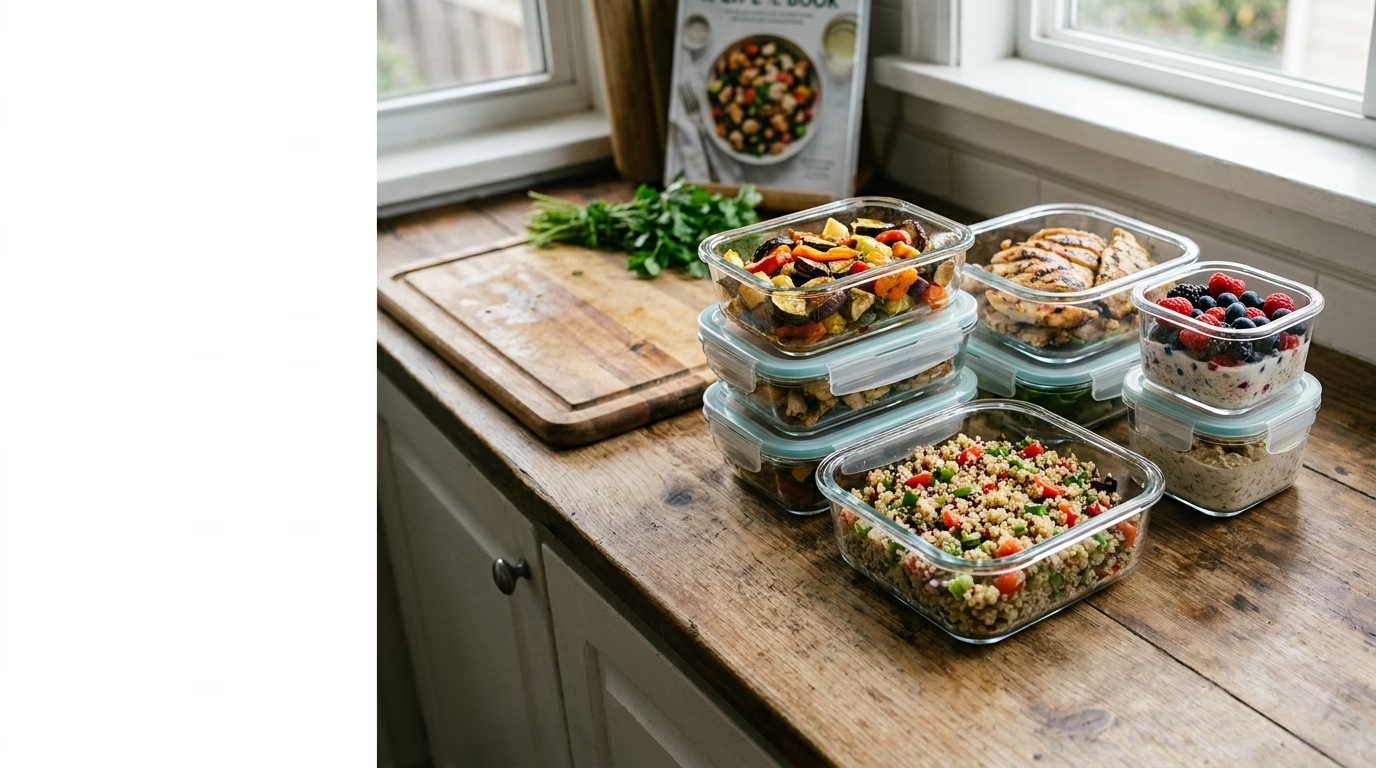
- Glass containers (such as Pyrex): Best for reheating, stain-resistant, and long-lasting. Heavier but more durable. Average cost: $20–$40 for a starter set.
- BPA-free plastic containers: Lightweight and affordable. Look for “microwave-safe” labeling. Average cost: $10–$20 for a set.
- Mason jars: Ideal for overnight oats, soups, grain bowls, and salads. Inexpensive and versatile.
- Silicone bags: Reusable, freezer-safe, and great for marinating proteins before cooking.
Avoid reheating food in plastic containers that are not labeled microwave-safe, as chemicals can leach into food at high temperatures. Glass is the safest option for reheating.
Label containers with the date prepared using masking tape and a marker. This removes guesswork and prevents you from eating something that’s been in the fridge too long.
How to Avoid Meal Prep Burnout
Burnout is the most common reason people quit meal prep. After two or three weeks of eating the same quinoa bowl, the enthusiasm fades fast. Here’s how to keep the system sustainable:
Rotate your flavor profiles, not your entire system. Keep your foundational prep the same — grains, proteins, roasted vegetables — but change the sauces and seasonings weekly. The same chicken and quinoa becomes a completely different meal with pesto one week, tahini the next, and teriyaki the week after.
Give yourself at least one flex meal. Don’t prep every single dinner. Leave one or two nights open for leftovers, a simple scrambled egg dinner, or yes, occasional takeout without guilt. Rigidity is the enemy of consistency.
Start smaller than you think you need to. New meal preppers consistently overestimate how much they’ll actually eat from the fridge. Begin by prepping three dinners and two lunches. Scale up only when the system feels easy.
Involve your family or household. Assign age-appropriate tasks — kids can wash vegetables, tear lettuce, or fill containers. A shared prep session is faster, more enjoyable, and teaches children life skills.
Schedule a “fridge audit” mid-week. On Wednesday evening, spend five minutes checking what needs to be eaten first. This prevents waste and reminds you what meals are available, reducing the temptation to ignore your fridge and order out.
Finally, remind yourself that imperfect meal prep beats no meal prep. If you only prepped lunches this week, that’s still five fewer rushed decisions. Progress, not perfection, is the entire point.
Closing Thoughts
Meal prep is not about becoming a different person or overhauling your entire lifestyle overnight. It’s a practical system that reduces friction between you and better eating. Start with one prep session, one realistic meal plan, and whatever containers you already have. Over time, you’ll refine your system, find your preferred recipes, and discover that Sunday afternoon investment pays dividends in energy, money, and peace of mind throughout the week.
Sources and Further Reading
- USDA Economic Research Service — Food Expenditure Series: https://www.ers.usda.gov/data-products/food-expenditure-series/
- USDA FoodData Central (nutrition information): https://fdc.nal.usda.gov/
- USDA Food Safety and Inspection Service — Refrigerator & Freezer Storage Chart: https://www.fsis.usda.gov/food-safety/safe-food-handling-and-preparation/food-safety-basics/cold-food-storage-charts
- CDC — Food Safety at Home: https://www.cdc.gov/food-safety/foods/index.html
- Wansink, B. & Sobal, J. (2007). “Mindless Eating: The 200 Daily Food Decisions We Overlook.” Environment and Behavior, Cornell University. https://doi.org/10.1177/0013916506295573
- Average weekly grocery spend data: Bureau of Labor Statistics Consumer Expenditure Survey — https://www.bls.gov/cex/
- Pyrex glass container sets (pricing reference): https://www.amazon.com/pyrex-glass-storage-containers
