
Spring Cleaning Checklist: Room by Room
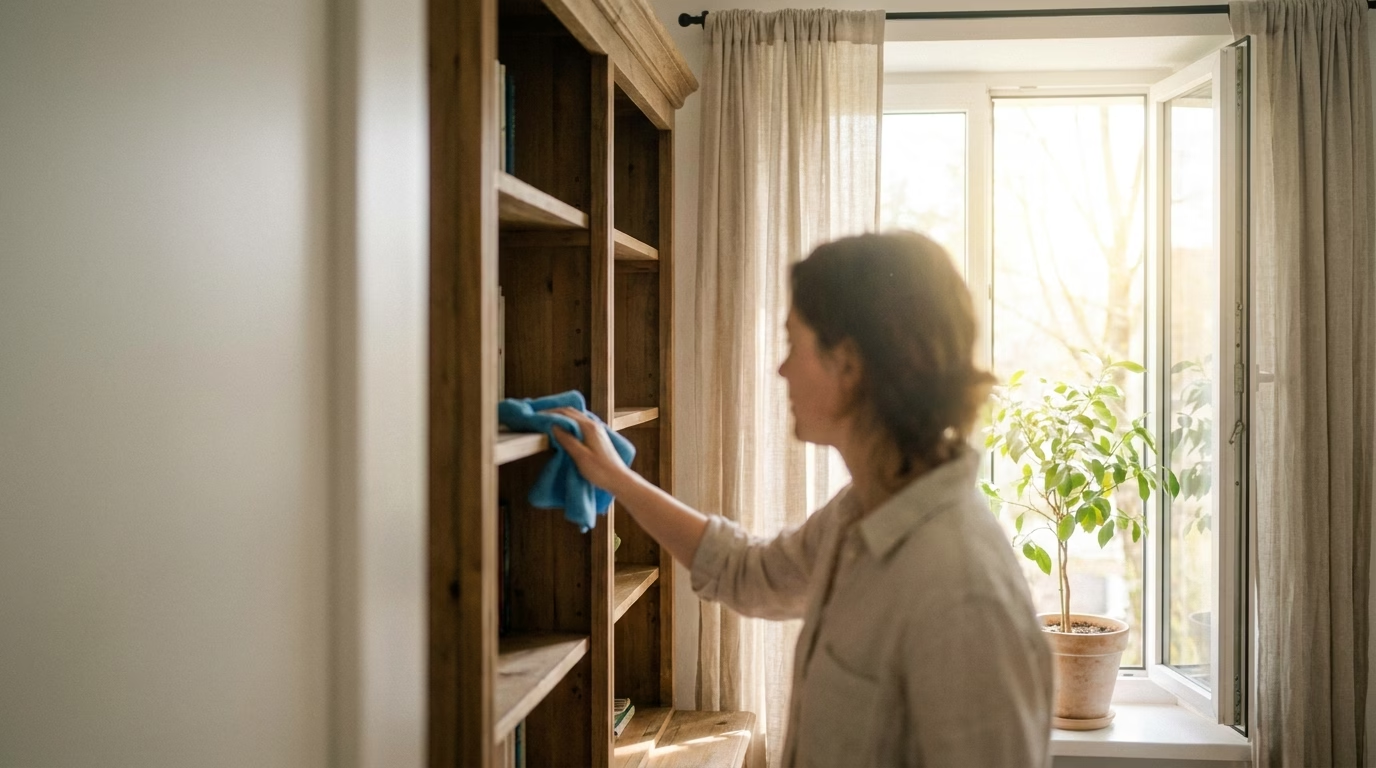
Spring is the season of fresh starts, and there’s no better way to embrace that energy than with a thorough top-to-bottom clean of your home. While regular tidying keeps things presentable, spring cleaning is about tackling the tasks that get skipped during the rest of the year — the ones hiding behind appliances, lurking in medicine cabinets, and collecting grime in places you’ve learned to stop looking. This checklist breaks everything down room by room so the process feels manageable rather than overwhelming. Whether you power through it all in a single weekend or chip away at one room per day, having a clear plan makes all the difference.
Kitchen — Estimated Time: 3–4 Hours
The kitchen is arguably the most important room to deep clean because it directly affects your family’s health. Grease, food residue, and expired products can accumulate surprisingly fast.
Oven
Pull out the oven racks and soak them in hot, soapy water while you work on the interior. Use a commercial oven cleaner or a paste of baking soda and white vinegar applied the night before for a more natural approach. Let it sit, then wipe clean with a damp cloth. Don’t forget the oven door glass — a razor scraper works well for baked-on residue. Clean the stovetop burners and drip pans at the same time.
Refrigerator Coils
This is one of the most commonly skipped tasks in the home, yet dirty condenser coils can increase your fridge’s energy consumption by up to 25% and shorten the appliance’s lifespan. Unplug the refrigerator and locate the coils — they’re typically at the back or underneath the unit behind a grille. Use a coil cleaning brush (available for around $10–$15) and a vacuum attachment to remove dust buildup. While the fridge is pulled out, sweep and mop behind it.
Range Hood Filter
Your range hood filter traps grease every time you cook, and if it’s never cleaned, it becomes a fire hazard and stops functioning properly. Remove the filter and submerge it in a sink filled with very hot water, a few squirts of dish soap, and a quarter cup of baking soda. Let it soak for 15–20 minutes, then scrub with a stiff brush. Allow it to dry completely before reinstalling.
Pantry Expiration Check
Pull everything out of your pantry and check expiration dates. You may be surprised how many products have quietly expired. Discard anything past its date, wipe down shelves, and reorganize by category. This is also a good opportunity to donate unexpired canned goods you know you won’t use to a local food bank. While you’re at it, check for signs of pests — small droppings or chewed packaging are red flags.
Additional Kitchen Tasks:
– Wipe down cabinet fronts and handles
– Descale the coffee maker and kettle
– Clean the dishwasher filter
– Disinfect the sink and garbage disposal (try grinding lemon halves and ice cubes)
Bathroom — Estimated Time: 1.5–2 Hours Per Bathroom
Bathrooms harbor moisture, which means mold, mildew, and mineral deposits are constant battles. A proper spring clean addresses all three.
Grout
Tile grout is porous and stains easily. Mix baking soda with a small amount of hydrogen peroxide to form a paste, apply it to the grout lines, let it sit for 10 minutes, then scrub with a grout brush or old toothbrush. Rinse clean. For severe staining or mold, a diluted bleach solution may be necessary. Once clean, consider applying a grout sealer ($8–$20 at most hardware stores) to protect it through the rest of the year.
Showerhead Descaling
Mineral deposits from hard water restrict water flow and harbor bacteria. Fill a plastic bag with white vinegar, secure it around the showerhead with a rubber band so the head is fully submerged, and leave it overnight. In the morning, remove the bag and run hot water to flush out the loosened deposits. This simple process restores water pressure without any harsh chemicals.
Exhaust Fan
A clogged bathroom exhaust fan can’t do its job of removing moisture, which leads directly to mold growth. Turn off the power, remove the cover, and wash it with soapy water. Use a vacuum or compressed air to clean dust from the fan blades inside the unit. This also reduces fire risk and extends the fan’s motor life.
Medicine Cabinet
Remove everything and discard expired medications. Note that most medications should not be flushed — the FDA recommends using drug take-back programs or mixing medications with an undesirable substance like coffee grounds in a sealed bag before trashing them. Wipe down shelves and restock with only what you actively use.
Additional Bathroom Tasks:
– Wash shower curtain and liner (most are machine washable)
– Replace toilet seat if worn or discolored
– Clean toilet base, tank exterior, and behind the toilet
– Recaulk around the tub or shower if needed
Bedrooms — Estimated Time: 1.5–2 Hours Per Room
Bedrooms tend to collect dust, allergens, and clutter quietly over time. Spring is the ideal moment to address all three.
Mattress Flip or Rotation
Many mattresses should be rotated head-to-foot every three to six months to ensure even wear, though not all modern memory foam mattresses should be flipped — check your manufacturer’s guidelines. While the mattress is off the frame, vacuum the box spring and slats. Sprinkle baking soda on the mattress surface, let it sit for at least 30 minutes to neutralize odors, then vacuum thoroughly with an upholstery attachment.
Under-Bed Cleaning
Under the bed is one of the biggest dust trap zones in any home. Pull out everything stored underneath, vacuum the floor and the underside of the bed frame, and be selective about what goes back. Flat storage containers with lids are preferable to open bins, as they prevent dust from settling on stored items.
Ceiling Fans
Ceiling fan blades accumulate a surprising amount of dust, and when the fan is turned on for the first time in the season, that dust showers down on everything below. Slide an old pillowcase over each blade and wipe inward to capture the dust inside the case rather than spreading it around. Wipe down the motor housing and light fixtures at the same time.
Additional Bedroom Tasks:
– Wash pillows, duvets, and mattress protectors
– Vacuum curtains or wipe down blinds
– Clean behind and under furniture
– Donate or discard clothing that didn’t get worn over the past year
Living and Family Rooms — Estimated Time: 2–3 Hours
These high-traffic spaces collect both visible and invisible dirt, from pet dander on upholstery to years of dust behind your entertainment center.
Electronics Dust
Use compressed air to blow dust out of television vents, gaming consoles, cable boxes, and speakers. Wipe screens with a microfiber cloth specifically designed for electronics — never use paper towels or household cleaners on screens, as they can cause scratches and damage anti-glare coatings. Untangle and organize cables while you have access to everything.
Baseboards
Baseboards are easy to overlook, but they collect a visible line of dust and grime over time. Wipe them down with a damp cloth and all-purpose cleaner, or use a dryer sheet after cleaning — it leaves a coating that repels dust for weeks.
Upholstery
Vacuum all upholstered furniture using an upholstery attachment, including under cushions and between crevices. For fabric sofas, check the care tag: “W” means water-based cleaner is safe, “S” means solvent only, and “X” means vacuum only. Spot-treat any stains. For leather furniture, use a leather cleaner and conditioner to prevent cracking.
Additional Living Room Tasks:
– Wash throw blankets and decorative pillow covers
– Clean light switch plates and doorknobs
– Dust lampshades and light fixtures
– Wipe down window sills and frames
Entry and Laundry Areas — Estimated Time: 1–1.5 Hours
Entry/Mudroom
Wash or replace door mats, wipe down coat hooks and shoe racks, and vacuum or mop the floor. Clean the front door itself, including the handle, frame, and any glass panels. If you have a coat closet, pull everything out, donate items not used this past year, and vacuum the floor inside.
Laundry Room
Clean the washing machine by running an empty hot cycle with two cups of white vinegar or a washing machine cleaning tablet. Wipe down the drum, lid, and rubber seal, which often hides mold. Pull the dryer away from the wall and vacuum the lint trap housing beyond what the screen catches. Clean behind and under both machines.
Outdoor Areas — Estimated Time: 3–5 Hours
Gutters
Spring is the best time to clear gutters of winter debris before the heavy rains arrive. You can use a gutter scoop and work from a ladder, or hire a professional — typical gutter cleaning costs range from $100 to $250 depending on home size and access. Clogged gutters can cause water damage to your roof, siding, and foundation.
Dryer Vent
While you tackled the inside in the laundry section, the exterior dryer vent needs attention too. Remove the vent cover and clear any lint from the outside opening. A clogged dryer vent is one of the leading causes of house fires in the United States — the U.S. Fire Administration reports that dryers cause approximately 2,900 house fires annually, with failure to clean being the leading factor.
Windows
Wash all exterior windows using a squeegee and a bucket of water mixed with a small amount of dish soap for streak-free results. Clean window screens by removing them, spraying with a hose, scrubbing gently with a soft brush and soapy water, and allowing them to dry before reinstalling. Clean window tracks with a vacuum and a cotton swab dipped in vinegar.
Additional Outdoor Tasks:
– Pressure wash the driveway, walkways, and deck or patio
– Inspect and clean outdoor furniture
– Check weatherstripping on doors and windows
– Rinse and inspect garbage and recycling bins
Printable One-Page Spring Cleaning Summary
SPRING CLEANING MASTER CHECKLIST
☐ Kitchen (3–4 hrs) — Oven, fridge coils, range hood filter, pantry check, cabinet fronts, dishwasher filter, sink, coffee maker
☐ Bathrooms (1.5–2 hrs each) — Grout, showerhead descale, exhaust fan, medicine cabinet, shower curtain, toilet base, recaulk if needed
☐ Bedrooms (1.5–2 hrs each) — Mattress rotate/vacuum, under-bed, ceiling fans, wash pillows and bedding, closet declutter
☐ Living/Family Room (2–3 hrs) — Electronics dust, baseboards, upholstery, throws and pillow covers, light fixtures, window sills
☐ Entry and Laundry (1–1.5 hrs) — Door mats, front door, coat closet, washing machine clean cycle, dryer lint housing
☐ Outdoor (3–5 hrs) — Gutters, exterior dryer vent, windows and screens, pressure wash surfaces, outdoor furniture, weatherstripping
Total Estimated Time: 16–24 Hours
Tip: Tackle one room per day over the course of a week, or divide tasks among household members to complete in a weekend.
Sources and Further Reading
- U.S. Department of Energy — Refrigerator Maintenance Tips: https://www.energy.gov/energysaver/refrigerators
- U.S. Fire Administration — Clothes Dryer Fires: https://www.usfa.fema.gov/prevention/home-fires/causes/dryers.html
- FDA — Drug Disposal Guidelines: https://www.fda.gov/drugs/disposal-unused-medicines-what-you-should-know
- DEA — Drug Take-Back Program Locator: https://www.dea.gov/takebackday
- Average Gutter Cleaning Costs — HomeAdvisor: https://www.homeadvisor.com/cost/roofing/clean-gutters
