
Common Lawn Care Mistakes Homeowners Make
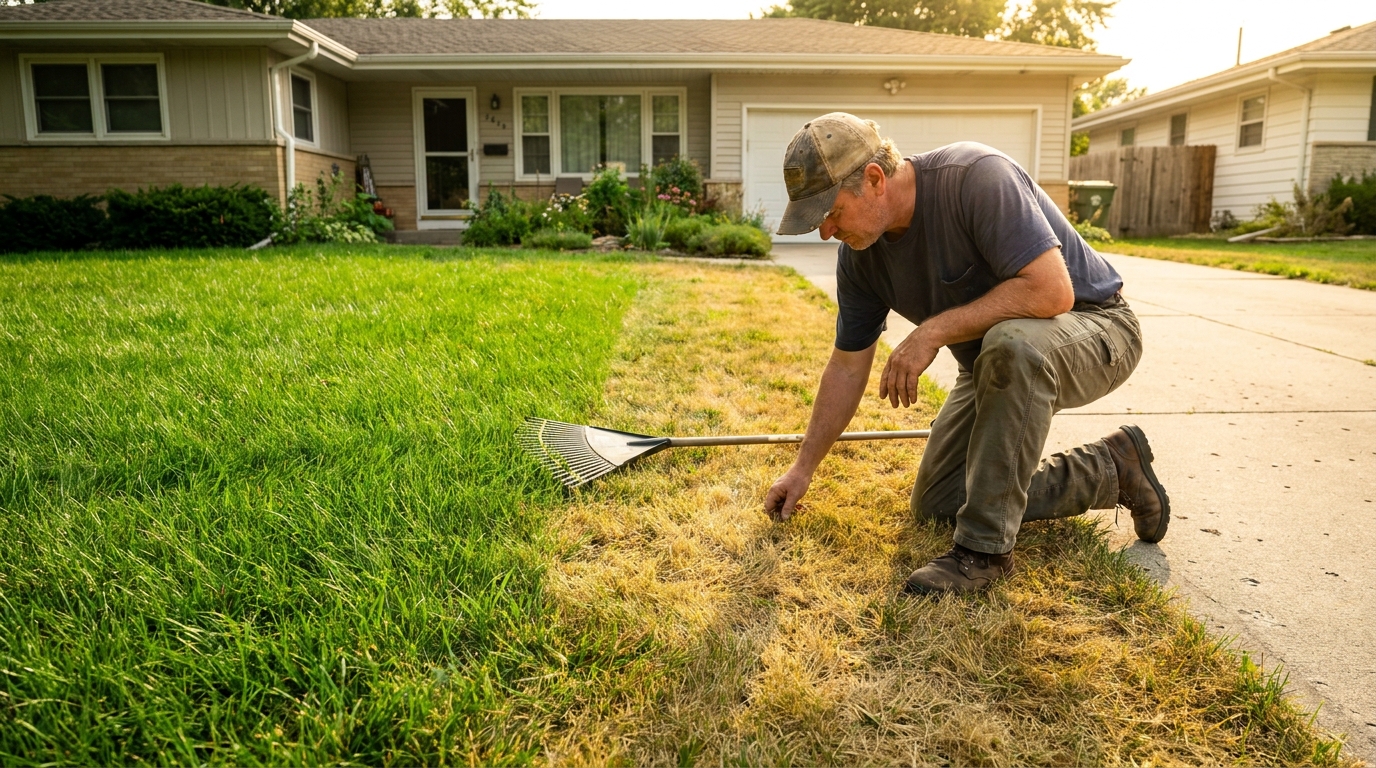
A lush, green lawn doesn’t happen by accident—but neither does a patchy, brown, weed-infested one. Most lawn problems that homeowners struggle with year after year can be traced back to a handful of preventable mistakes. The good news is that once you understand what you’re doing wrong, the fixes are often simple and inexpensive. Here’s a deep dive into the ten most common lawn care mistakes and how to correct them, along with a seasonal calendar to keep you on track no matter where you live.
1. Mowing Too Short
One of the most damaging things you can do to your lawn is cut it too low—a practice known as “scalping.” Many homeowners assume that cutting grass shorter means mowing less frequently, but the opposite effect on lawn health is severe. Scalped grass is stressed grass. It loses the leaf surface area it needs for photosynthesis, which weakens the root system and leaves the turf vulnerable to drought, disease, and weed invasion.
The golden rule of mowing is the one-third rule: never remove more than one-third of the grass blade in a single mowing session. If your lawn’s ideal height is three inches, don’t let it grow past four and a half inches before cutting. Most cool-season grasses like Kentucky bluegrass and fescue thrive at three to four inches, while warm-season grasses like Bermuda and Zoysia perform best at one to two and a half inches. Check your specific grass type and adjust your mower deck accordingly.
2. Using Dull Mower Blades
Even if you’re mowing at the right height, dull blades can undo all your good intentions. A sharp blade slices the grass cleanly, which allows the plant to heal quickly and maintain its green color. A dull blade tears and shreds the grass tip, leaving ragged edges that turn brown, invite disease, and give your lawn a grayish, unhealthy appearance.
Mower blades should be sharpened at least once per season—or after every 20 to 25 hours of use. If you notice your lawn looking dull or tan-tipped a day or two after mowing, the blade is likely the culprit. Blade sharpening at a hardware store or small engine shop typically costs between $10 and $20, or you can invest in a sharpening kit for around $15 to $30 and do it yourself.
3. Watering Daily Instead of Deeply
Frequent, shallow watering is one of the most widespread lawn care mistakes in residential neighborhoods. When you water a little every day, the moisture only penetrates the top inch or two of soil. Grass roots follow moisture, so they stay shallow—making the lawn more susceptible to heat, drought stress, and foot traffic damage.
The better approach is to water deeply and infrequently: aim for two sessions per week, applying about half an inch to one inch of water each time. This encourages roots to grow deeper into the soil in search of moisture, creating a more drought-resilient lawn. A simple tuna can or rain gauge placed in your irrigation zone can help you measure output accurately. Most lawns need about one to one and a half inches of water per week total, including rainfall.
4. Watering in the Evening
Timing matters as much as frequency. Watering your lawn in the evening leaves grass blades wet overnight, creating the perfect environment for fungal diseases like brown patch, dollar spot, and powdery mildew to take hold. These diseases can spread rapidly and are difficult and expensive to treat once established.
The ideal time to water is early morning, between 4 a.m. and 9 a.m. The grass has time to absorb the water before the heat of the day, and any excess moisture on the blades evaporates as temperatures rise. If a morning watering schedule isn’t feasible manually, investing in a programmable irrigation timer—available for as little as $25 to $60—can make this effortless.
5. Bagging Clippings Instead of Mulching
Many homeowners bag their grass clippings out of habit or aesthetics, but this practice throws away a valuable, free source of nutrition. Grass clippings are roughly 80 to 85% water and contain significant amounts of nitrogen, phosphorus, and potassium. When left on the lawn, they decompose quickly and return those nutrients to the soil.
This process, called grasscycling, can reduce your fertilizer needs by up to 25%. Contrary to popular belief, mulched clippings do not cause thatch buildup—thatch is primarily composed of stems and roots, not leaf blades. The key is to avoid clipping when the grass is too long, which can leave large clumps that smother the turf. If you’re following the one-third rule, the clippings will be fine enough to filter down to the soil surface naturally.
6. Fertilizing at the Wrong Time
Fertilizer applied at the wrong time of year can do more harm than good. Applying a high-nitrogen fertilizer to cool-season grass in midsummer, for example, pushes soft, lush growth during the most stressful period of the year, making it more vulnerable to disease and heat damage. Similarly, fertilizing warm-season grass in the fall can stimulate tender new growth that gets killed by early frost.
As a general rule, fertilize cool-season grasses in fall and early spring, and warm-season grasses in late spring through summer. Slow-release fertilizers are generally preferable to fast-release options because they feed the lawn gradually and reduce the risk of burn. Always read the product label and apply according to your lawn’s size and the manufacturer’s recommended rate.
7. Ignoring Soil Tests
Most lawn problems begin below the surface. Without knowing your soil’s pH and nutrient profile, you’re essentially guessing at what your lawn needs—and often applying products it doesn’t need at all, while missing what it actually lacks.
A soil test costs between $10 and $30 through your local cooperative extension service or a mail-in lab, and it tells you your soil’s pH level, organic matter content, and specific nutrient deficiencies. Most grasses thrive in a pH range of 6.0 to 7.0. If your soil is too acidic, a lime application can correct it. If it’s too alkaline, sulfur may be needed. Skipping this step is like taking medicine without a diagnosis.
8. Over-Treating Weeds
Weeds are a symptom, not the core problem. A thick, healthy lawn is the best weed suppressor available—it simply crowds them out. When homeowners see weeds, the instinct is to reach for herbicides, but over-application of weed killers can damage desirable grass, kill beneficial soil microbes, and contribute to chemical runoff.
Use herbicides strategically. Pre-emergent herbicides work by preventing weed seeds from germinating and should be applied in early spring (and sometimes fall) before soil temperatures reach 55°F. Post-emergent herbicides target weeds that are already visible and are most effective when weeds are young and actively growing. Spot-treating individual weeds rather than blanket-spraying the entire lawn reduces chemical exposure and protects surrounding plant life.
9. Neglecting Aeration
Over time, soil becomes compacted from foot traffic, heavy equipment, and even rainfall. Compacted soil restricts the movement of water, air, and nutrients to grass roots, leading to thin, struggling turf even when everything else seems right. Yet aeration is one of the most neglected practices in home lawn care.
Core aeration—removing small plugs of soil from the lawn—is the most effective method. It opens up channels for water and air penetration and is best done in the early fall for cool-season grasses and late spring for warm-season varieties. You can rent a core aerator for around $60 to $90 per day, or hire a lawn service for $75 to $200 depending on lawn size. For best results, aerate when the soil is moist but not waterlogged, and leave the plugs on the surface—they’ll break down and return organic matter to the soil within a few weeks.
10. Using the Wrong Grass Type for Your Climate Zone
Planting a grass type that isn’t suited to your region is a setup for constant struggle. Cool-season grasses like Kentucky bluegrass, perennial ryegrass, and tall fescue thrive in the northern United States, where summers are moderate and winters are cold. Warm-season grasses like Bermudagrass, St. Augustinegrass, and Zoysia are built for the heat and humidity of the South. The transition zone—running roughly through Missouri, Virginia, and the Carolinas—is the most challenging, as neither grass type is perfectly suited to the climate extremes.
If you’re starting from scratch or overseeding, consult your local cooperative extension office or a reputable garden center to identify the best grass varieties for your specific region and microclimate. Using the right grass from the start reduces your long-term maintenance burden significantly.
Seasonal Lawn Care Calendar by Region
🌿 Northern/Cool-Season Zone (Zones 3–6)
| Season | Key Tasks |
|---|---|
| Early Spring | Apply pre-emergent herbicide when soil reaches 50°F; dethatch if needed |
| Late Spring | Mow regularly at 3–4 inches; begin deep watering schedule |
| Summer | Minimize fertilizer; raise mower height; water early morning |
| Early Fall | Core aerate; overseed bare patches; apply fertilizer (main feeding) |
| Late Fall | Final mow slightly shorter; apply winterizer fertilizer; soil test |
☀️ Southern/Warm-Season Zone (Zones 7–10)
| Season | Key Tasks |
|---|---|
| Early Spring | Soil test; dethatch Bermuda or Zoysia; apply pre-emergent |
| Late Spring | Begin fertilizing as grass greens up; establish deep watering schedule |
| Summer | Peak growing season; fertilize monthly; mow at 1.5–2.5 inches |
| Early Fall | Apply potassium-rich fertilizer to harden before dormancy; final weed treatment |
| Late Fall/Winter | Overseed with ryegrass for winter color if desired; reduce watering |
🌦️ Transition Zone (Zones 6–7)
| Season | Key Tasks |
|---|---|
| Early Spring | Test soil; choose grass mix suited to both heat and cold; pre-emergent |
| Late Spring | Begin mowing; apply light fertilizer |
| Summer | Increase watering; watch for disease in humidity; avoid excess nitrogen |
| Early Fall | Aerate and overseed; main fertilizer application for cool-season grass |
| Late Fall | Final mow; winterizer fertilizer; monitor for frost damage |
Final Thoughts
Lawn care doesn’t have to be complicated or expensive. The most impactful improvements come from understanding basic grass biology and working with your lawn’s natural rhythms rather than against them. Mow at the right height, water deeply and at the right time, feed your soil based on what it actually needs, and choose grass varieties suited to where you live. Correct even a few of these common mistakes and you’ll likely see a dramatic improvement in your lawn’s appearance and resilience within a single growing season.
Sources & Further Reading
- University of California Cooperative Extension – Grasscycling: https://ucanr.edu
- Purdue University Extension – Mowing Your Lawn: https://www.purdue.edu/hla/sites/yardandgarden
- Penn State Extension – Lawn Watering Guide: https://extension.psu.edu
- USDA Plant Hardiness Zone Map: https://planthardiness.ars.usda.gov
- National Turfgrass Federation – Soil Testing Resources: https://www.turfresearch.org
- Blade sharpening cost reference: HomeAdvisor https://www.homeadvisor.com
- Core aerator rental pricing: Home Depot Tool Rental https://www.homedepot.com/c/tool-and-truck-rental
- Irrigation timer pricing: Amazon https://www.amazon.com
