
Hydration Tips for Seniors to Boost Health and Wellness
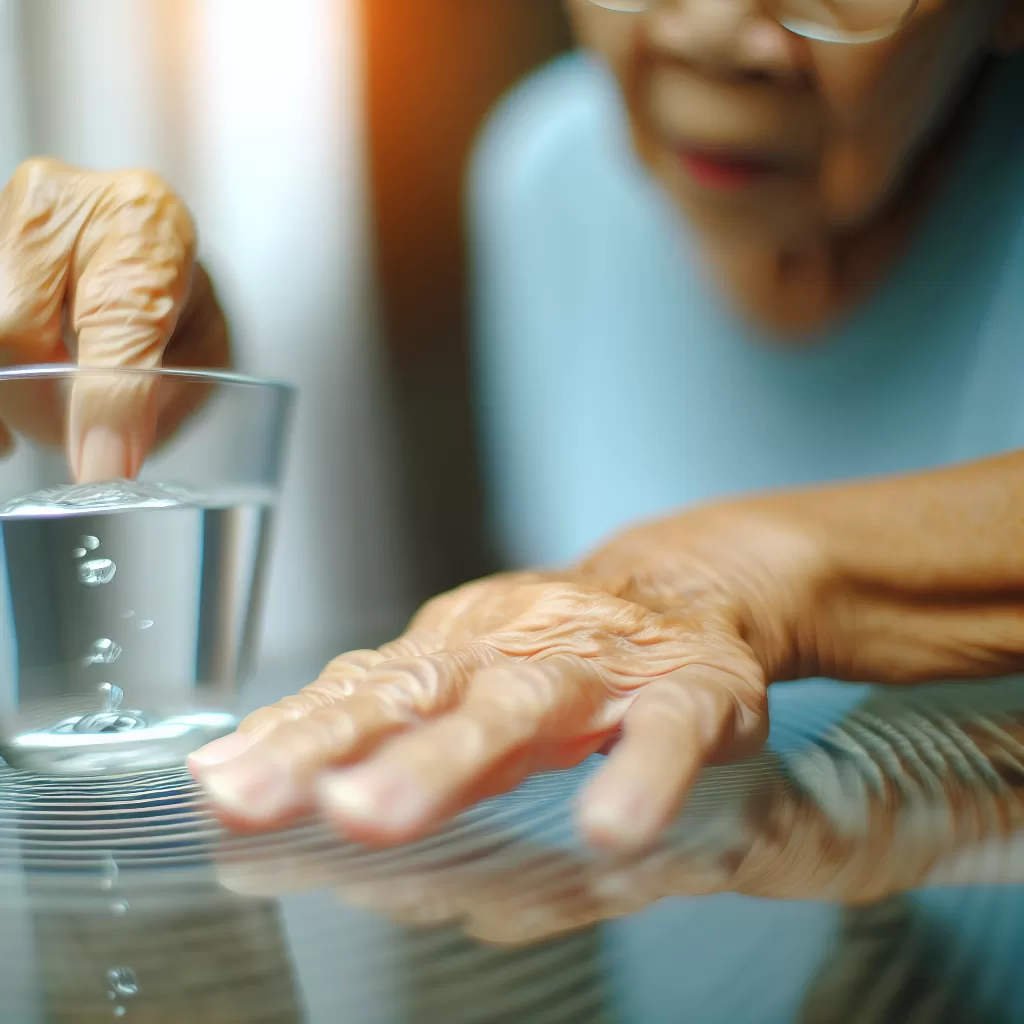
The importance of hydration in senior wellness cannot be overstated. As we age, our body’s ability to manage fluids changes, making proper hydration crucial for maintaining health and vitality. This article explores how hydration impacts senior health, its benefits, and practical ways for older adults to stay properly hydrated every day.
Why Hydration is Crucial for Seniors
Hydration plays a fundamental role in maintaining overall health, especially in seniors. As people age, the body’s water content decreases, and the sensation of thirst becomes less reliable. This can lead to chronic dehydration, which increases the risk of severe health issues such as urinary tract infections, kidney stones, constipation, and even cognitive decline.
Moreover, hydration aids in regulating body temperature, supporting joint lubrication, and ensuring cardiovascular health. Without sufficient fluid intake, seniors are more prone to dizziness, confusion, and muscle weakness, which greatly increases the risk of falls and hospitalization.
Practical Strategies to Maintain Adequate Hydration
Ensuring consistent hydration in seniors requires awareness and simple lifestyle adjustments. Here are effective strategies:
- Set Regular Drinking Intervals: Encourage drinking water or other fluids at set times throughout the day rather than waiting for thirst cues.
- Incorporate Hydrating Foods: Foods like cucumbers, watermelon, oranges, and soups can supplement fluid intake naturally.
- Limit Diuretics: Reduce consumption of caffeine and alcohol, which can cause increased fluid loss.
- Use Water Bottles and Reminders: Visual prompts or alarms can help seniors remember to drink fluids regularly.
- Monitor Fluid Intake: Caregivers should track daily fluid intake to avoid dehydration, especially during illness or hot weather.
By adopting these strategies, seniors not only improve hydration but contribute to better physical and cognitive functioning, enhancing overall quality of life.
Conclusion
Proper hydration is essential for maintaining health and wellness in seniors, influencing everything from cognitive function to physical stability. Understanding the unique hydration needs of older adults and implementing simple, consistent habits can significantly reduce health risks associated with dehydration. Encouraging seniors to drink regularly and consume hydrating foods fosters better longevity and vitality, making hydration a cornerstone of senior wellness.
