
Hydration Mistakes That Could Be Hurting Your Health
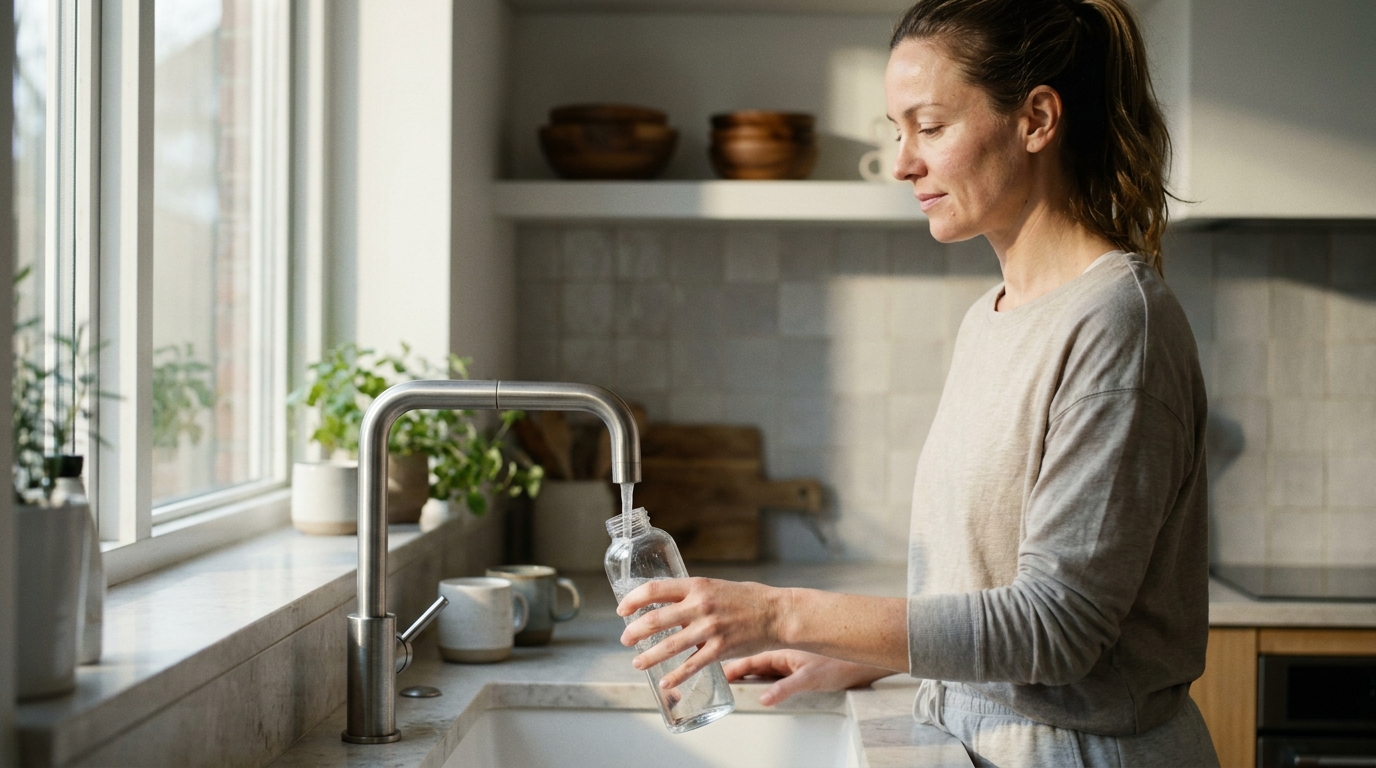
Most of us grew up hearing the same simple rule: drink eight glasses of water a day, and you’ll be fine. It’s tidy, easy to remember, and repeated so often it feels like medical gospel. The problem is that it’s not quite right — and in some cases, following oversimplified hydration advice can actually work against you. From underdrinking to overdrinking, from ignoring electrolytes to writing off your morning coffee, hydration mistakes are surprisingly common. Here’s what the science actually says, and how to build smarter habits around one of your body’s most basic needs.
The “8 Cups a Day” Myth
The eight-glasses rule has been traced back to a 1945 recommendation from the U.S. Food and Nutrition Board, which suggested roughly 2.5 liters of water daily — but crucially, also noted that most of that amount would come from food. That second part got lost over the decades, leaving behind a decontextualized number that has been cited ever since.
The truth is there is no single magic number that works for every human body. Eight cups (about 1.9 liters) might be perfectly adequate for a small, sedentary person in a cool climate — and woefully insufficient for a larger, active person sweating through a humid summer. Treating that number as universal does a disservice to the real complexity of how hydration works.
What Your Body Actually Needs
Actual water needs depend on a web of interacting factors. Body size is one of the most obvious: a 250-pound person simply has more tissue to hydrate than a 120-pound person. Climate matters enormously — you lose significantly more fluid through sweat in hot or humid environments than in cool ones. Physical activity level is another major variable; even moderate exercise can increase fluid needs by a liter or more per hour depending on intensity and conditions.
The National Academies of Sciences, Engineering, and Medicine offers a broader benchmark: roughly 3.7 liters (about 125 ounces) of total water per day for men and 2.7 liters (about 91 ounces) for women — but this includes water from all beverages and food sources, not just plain water. Fruits, vegetables, soups, and other foods contribute meaningfully to your daily intake. Pregnant and breastfeeding individuals, people with certain medical conditions, and those on specific medications may have significantly different requirements.
The takeaway: use general guidelines as a starting point, but pay attention to your own body’s signals.
The Urine Color Check
One of the most practical and underused hydration tools is completely free and available every time you visit the bathroom. Urine color is a reliable real-time indicator of hydration status. Pale yellow — roughly the color of lemonade — generally signals good hydration. Dark yellow or amber urine suggests you need to drink more fluids soon. Urine that looks like apple juice or tea is a sign of significant dehydration.
Completely clear urine, on the other hand, can indicate overhydration, which comes with its own risks (more on that shortly). Note that certain vitamins, particularly B vitamins, and some medications can temporarily affect urine color, so context matters.
Recognizing Dehydration Before It Gets Serious
Most people associate dehydration with extreme thirst or dizziness, but the early signs are subtler and often misread. Mild dehydration — as little as 1-2% of body weight lost as fluid — can cause fatigue, difficulty concentrating, headaches, and mood changes. Many people reach for a snack or a painkiller when a glass of water would have addressed the root issue.
More significant dehydration (above 2-3% body weight) can bring on muscle cramps, reduced physical performance, dry mouth, and decreased urine output. Severe dehydration becomes a medical emergency, with symptoms including rapid heartbeat, confusion, sunken eyes, and inability to urinate. Children and elderly individuals are especially vulnerable to progressing quickly to more serious stages, which is why early recognition matters.
The Rare but Real Risk of Overhydration
While dehydration gets most of the attention, drinking too much water — particularly in a short period — carries its own danger. Hyponatremia, sometimes called water intoxication, occurs when excessive water intake dilutes sodium levels in the blood to dangerously low concentrations. Without enough sodium, cells begin to swell, and in serious cases this can affect brain function, leading to nausea, headaches, confusion, seizures, and in extreme cases, death.
Hyponatremia is rare in everyday life, but it has caused deaths in endurance athletes who drank too aggressively without replenishing electrolytes, and it has occurred in other contexts including drinking contests and certain medical situations. The lesson isn’t to fear water, but to understand that hydration is about balance, not volume alone.
Electrolytes: The Often-Ignored Half of the Equation
Water is only part of the hydration story. Electrolytes — minerals that carry an electrical charge and regulate fluid balance in and around cells — are equally important. Three of the most critical are sodium, potassium, and magnesium.
Sodium is the primary electrolyte in the fluid surrounding your cells and plays a central role in fluid retention and nerve function. It’s the one most directly involved in hyponatremia. While excessive sodium intake is a widespread dietary concern, athletes and heavy sweaters can legitimately lose significant amounts through perspiration.
Potassium works alongside sodium to regulate fluid inside cells and is essential for muscle contractions and heart function. It’s found abundantly in bananas, sweet potatoes, avocados, and leafy greens. Low potassium can contribute to muscle cramping and fatigue, symptoms that are sometimes mistakenly attributed to dehydration alone.
Magnesium supports hundreds of enzymatic processes, including those involved in energy production and muscle function. Deficiency is surprisingly common and can worsen cramping, disrupt sleep, and impair athletic performance. Nuts, seeds, legumes, and dark chocolate are good dietary sources.
Sweating heavily, following very low-calorie diets, or experiencing prolonged illness with vomiting or diarrhea can all deplete electrolytes. In these situations, plain water alone may not be sufficient to restore proper hydration.
Yes, Coffee and Tea Count
Despite persistent claims to the contrary, caffeinated beverages do contribute to your daily fluid intake. The idea that coffee and tea are dehydrating because caffeine is a mild diuretic is technically true but functionally overstated. Research has consistently shown that the diuretic effect of caffeine is weak and largely offset by the fluid volume in the drink itself. Studies, including work published in PLOS ONE, have found no significant difference in hydration markers between people drinking moderate amounts of coffee and those drinking equivalent amounts of water.
This doesn’t mean you should replace all water with espresso, but it does mean that your morning cup — or two — is contributing to your hydration and doesn’t need to be mentally subtracted from your daily fluid total. Herbal teas, in particular, are essentially flavored water and count fully toward your intake.
When Sports Drinks Actually Make Sense
The sports drink market is enormous and heavily marketed, which has led many people to reach for electrolyte beverages during activities that don’t really warrant them. For most people doing light to moderate exercise lasting under an hour, plain water is entirely adequate.
Sports drinks begin to make genuine physiological sense during prolonged, intense exercise — typically more than 60 to 90 minutes — especially in hot conditions where sweat losses are significant. In these scenarios, replenishing sodium and other electrolytes alongside fluid can improve performance and prevent hyponatremia risk.
The downside of regular sports drink consumption for non-athletes is the sugar load. Many popular options contain substantial amounts of added sugar, making them a poor everyday hydration choice. Lower-sugar or electrolyte-only options (powders, tablets, or coconut water) may serve people better when electrolyte replenishment is the actual goal without the caloric trade-off.
Special Considerations for Older Adults
Aging changes the hydration equation in several important ways. Older adults have a diminished sense of thirst, meaning the body’s natural early-warning system for dehydration becomes less reliable with age. Kidney function also declines gradually, affecting the body’s ability to concentrate urine and conserve water. Certain common medications — including diuretics used for blood pressure management — further increase fluid losses.
The combination of these factors means that seniors can become significantly dehydrated without feeling particularly thirsty, which is why proactive rather than reactive drinking habits are especially important in this population. Regular prompts to drink throughout the day, hydrating foods, and attention to urine color can all help. Caregivers and family members of older adults should be aware that confusion, dizziness, or a sudden decline in energy in an elderly person may have dehydration as a contributing or primary cause.
A More Sensible Approach
Good hydration isn’t about hitting an arbitrary number or treating every beverage as suspect. It’s about understanding your individual needs, paying attention to the signals your body gives you, and recognizing that fluids and electrolytes work as a team. Drink when you’re thirsty, check in with your urine color, adjust for heat and activity, and don’t overlook the minerals that make water’s job possible.
This article is intended for general informational purposes only and does not constitute medical advice. Individual hydration needs can vary significantly based on health conditions, medications, and other factors. Consult a qualified healthcare professional for personalized guidance.
Sources and Further Reading
- National Academies of Sciences, Engineering, and Medicine — Dietary Reference Intakes for Water: https://www.nationalacademies.org/our-work/dietary-reference-intakes-for-water-potassium-sodium-chloride-and-sulfate
- Valtin, H. (2002). “Drink at least eight glasses of water a day. Really? Is there scientific evidence for ‘8 × 8’?” American Journal of Physiology: https://journals.physiology.org/doi/full/10.1152/ajpregu.00365.2002
- Killer, S.C. et al. (2014). “No Evidence of Dehydration with Moderate Daily Coffee Intake.” PLOS ONE: https://journals.plos.org/plosone/article?id=10.1371/journal.pone.0084154
- Mayo Clinic — Hyponatremia overview: https://www.mayoclinic.org/diseases-conditions/hyponatremia/symptoms-causes/syc-20373711
- National Institute on Aging — Dehydration in older adults: https://www.nia.nih.gov/health/dehydration
