
Easy Indoor Plants That Even Beginners Can’t Kill
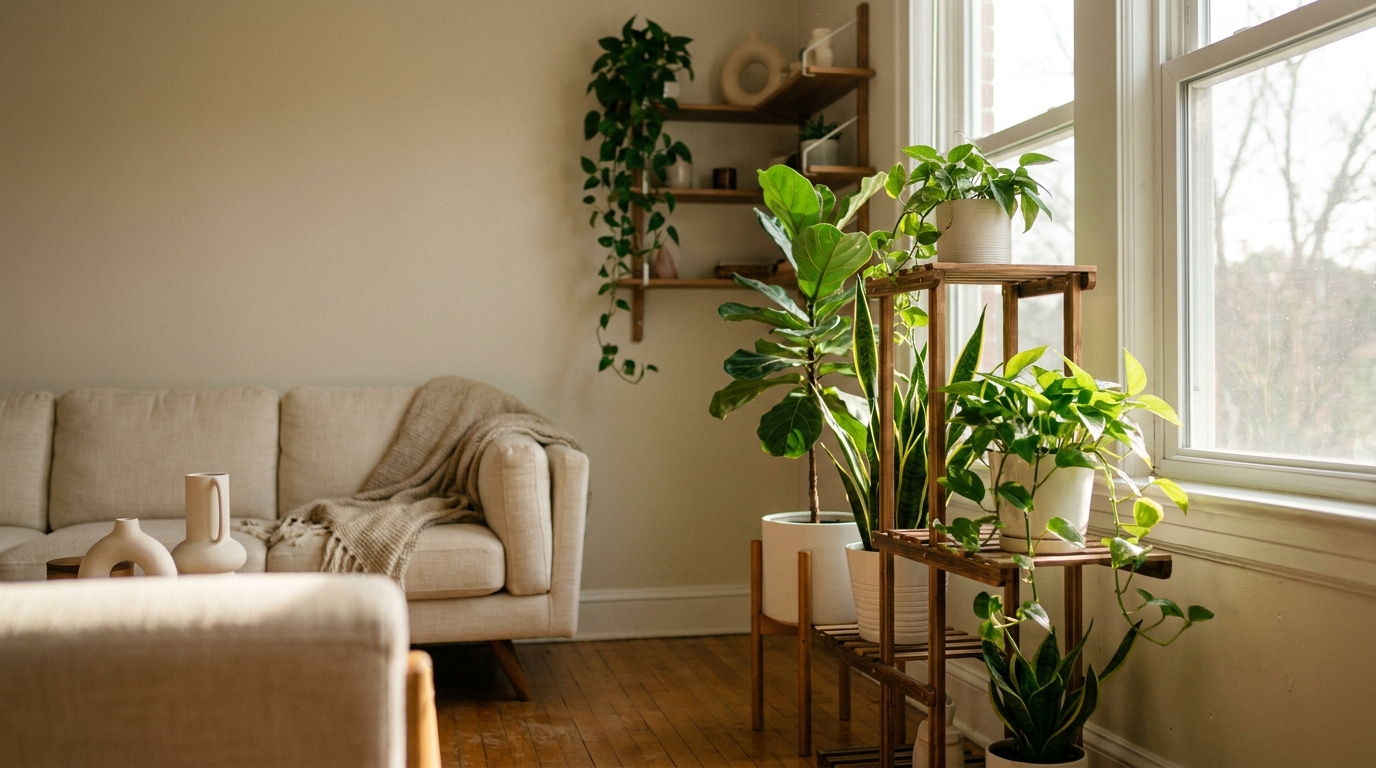
Starting your indoor plant journey can feel overwhelming when you’re staring at rows of greenery at the garden center with no idea where to begin. The good news is that some of the most beautiful houseplants are also the most forgiving, thriving even when you forget to water them for a week or accidentally leave them in a dim corner. This guide covers ten of the best beginner-friendly indoor plants, breaking down everything you need to know about caring for each one, along with essential tools to set yourself up for success from day one.
Essential Tools Before You Begin
Before diving into specific plants, a few basic tools will make your plant care routine significantly easier and more effective.
Moisture meter: This inexpensive device ($10–$20) takes the guesswork out of watering by measuring soil moisture levels on a numeric scale. Simply insert the probe into the soil, and the reading tells you whether your plant needs water or not. It is especially helpful for beginners who struggle to tell the difference between dry and moist soil by feel alone.
Watering can with a long spout: A long, narrow spout gives you control over where water goes, directing it to the base of the plant rather than splashing leaves. Budget around $15–$30 for a decent one.
Well-draining potting mix: Standard potting mix works for most houseplants, but adding perlite (roughly 20–30% by volume) improves drainage and prevents root rot, which is one of the most common beginner mistakes. A quality bag typically runs $10–$15.
The Plants
1. Pothos (Epipremnum aureum)
Light needs: Pothos tolerates almost any light condition, from low light to bright indirect light. It will survive in dim corners but grows faster and maintains variegation in brighter spots.
Water schedule: Water every 1–2 weeks, allowing the top inch or two of soil to dry out between waterings. Pothos is highly drought-tolerant and bounces back quickly if you forget a watering session.
Ideal pot size: Start with a 4–6 inch pot and size up by 1–2 inches when roots begin to circle the bottom or poke through drainage holes.
Common problems: Yellowing leaves usually signal overwatering, while brown, crispy tips often indicate low humidity or inconsistent watering. Root rot from soggy soil is the biggest threat.
Propagation tips: Pothos is one of the easiest plants to propagate. Snip a stem just below a node (the small brown bump where roots emerge), place it in water, and roots appear within a week or two. Then transfer to soil.
Pet safety: ⚠️ Toxic to cats and dogs. Keep out of reach of pets.
2. Snake Plant (Sansevieria trifasciata / Dracaena trifasciata)
Light needs: Snake plants thrive in low to bright indirect light, making them ideal for offices or rooms with small windows. They can tolerate some direct sun but prefer indirect exposure.
Water schedule: Water every 2–6 weeks depending on the season — less in winter, slightly more in summer. Always allow the soil to dry out completely between waterings. Snake plants are among the most drought-tolerant houseplants available.
Ideal pot size: A snug pot is best, as snake plants like to be slightly root-bound. A 6–8 inch pot suits most medium-sized plants.
Common problems: Overwatering is by far the most common issue and leads to mushy, rotting roots and yellowing leaves. Brown tips can result from fluoride in tap water — switch to filtered water if this occurs frequently.
Propagation tips: Divide the plant at the root when repotting, or take leaf cuttings and root them in water or soil. Note that variegated varieties can lose their coloring when propagated from leaf cuttings alone — division preserves the full pattern.
Pet safety: ⚠️ Toxic to cats and dogs.
3. ZZ Plant (Zamioculcas zamiifolia)
Light needs: ZZ plants handle low light exceptionally well but grow more robustly in medium to bright indirect light. Avoid prolonged direct sunlight, which scorches leaves.
Water schedule: Water every 2–3 weeks, or when the top 2–3 inches of soil are completely dry. The ZZ plant stores water in its thick rhizomes, making it extremely forgiving of missed waterings.
Ideal pot size: Choose a pot that snugly fits the root ball. ZZ plants grow slowly, so you won’t need to repot often — roughly every 2–3 years.
Common problems: Yellow leaves and soft stems are classic signs of overwatering. Underwatering is far less common but shows up as wrinkled or drooping stalks.
Propagation tips: Take a healthy leaf cutting and place the cut end in soil or water. Results are slow — rooting can take several months — but success rates are high.
Pet safety: ⚠️ Toxic to cats and dogs. Wash hands after handling, as the sap can be a skin irritant.
4. Spider Plant (Chlorophytum comosum)
Light needs: Bright to moderate indirect light is ideal. Spider plants tolerate lower light but may lose some of the white variegation on their leaves in dim conditions.
Water schedule: Water every 1–2 weeks during the growing season, slightly less in winter. They are fairly flexible and will forgive occasional inconsistency.
Ideal pot size: Start with a 6-inch pot and repot when the plant becomes visibly root-bound or roots push through the drainage holes. Spider plants actually bloom and produce “babies” more readily when slightly pot-bound.
Common problems: Brown leaf tips are the most common complaint, typically caused by fluoride or chlorine in tap water, low humidity, or inconsistent watering. The fix is usually switching to filtered or rainwater.
Propagation tips: Spider plants make propagation effortless. They produce long arching stems called runners that carry miniature plantlets, known as “spiderettes.” Pin a spiderette into a small pot of moist soil, leave it attached to the mother plant until it roots, then cut the runner.
Pet safety: ✅ Non-toxic to cats and dogs. Mildly hallucinogenic to cats but not harmful.
5. Heartleaf Philodendron (Philodendron hederaceum)
Light needs: Bright indirect light encourages the fastest growth, but philodendrons adapt well to medium and even low-light conditions, making them highly versatile.
Water schedule: Water every 1–2 weeks, allowing the top inch of soil to dry between waterings. Like pothos, it shows drought stress by slightly drooping, giving you a clear signal before any real damage sets in.
Ideal pot size: A 4–6 inch pot suits younger plants. Move up by one pot size every year or two as the plant grows.
Common problems: Yellow leaves indicate overwatering; leggy, pale growth with long gaps between leaves suggests insufficient light. Generally one of the most problem-free plants on this list.
Propagation tips: Identical to pothos — cut below a node and root in water or moist soil. Roots appear quickly, often within 1–2 weeks.
Pet safety: ⚠️ Toxic to cats and dogs.
6. Peace Lily (Spathiphyllum wallisii)
Light needs: Peace lilies are one of the few flowering plants that do well in low light. Bright indirect light encourages more blooms, but they manage in darker spaces admirably.
Water schedule: Water every 1–2 weeks when the top inch of soil feels dry. Peace lilies will dramatically droop when thirsty, which is actually a helpful built-in signal rather than a sign of permanent damage — they recover quickly after watering.
Ideal pot size: A 6–8 inch pot works well for most average-sized peace lilies. Avoid oversized pots, which hold excess moisture and invite root rot.
Common problems: Brown leaf tips are common and often result from tap water chemicals or low humidity. Yellow leaves point to overwatering. Keep away from cold drafts and air conditioning vents.
Propagation tips: Divide the plant at the roots during repotting. Each division should have at least a few leaves and healthy roots attached.
Pet safety: ⚠️ Toxic to cats and dogs.
7. Monstera (Monstera deliciosa)
Light needs: Bright to medium indirect light is ideal. Monsteras grow faster and develop their characteristic leaf splits (called fenestrations) more readily with adequate light.
Water schedule: Water every 1–2 weeks, allowing the top 1–2 inches of soil to dry out. Reduce watering in fall and winter when growth slows.
Ideal pot size: Start with an 8–10 inch pot for young plants and size up every 1–2 years. Monsteras can eventually need very large containers as they mature.
Common problems: Yellow leaves signal overwatering or nutrient deficiency. Leaves lacking splits typically indicate insufficient light. Monsteras love humidity and may develop brown tips in very dry environments.
Propagation tips: Take a stem cutting that includes at least one node and one aerial root. Place in water until roots are 1–2 inches long, then transfer to soil. Aerial roots help the cutting establish itself more quickly.
Pet safety: ⚠️ Toxic to cats and dogs.
8. Chinese Evergreen (Aglaonema)
Light needs: Chinese evergreens are adaptable and tolerant of low light, though darker-leaved varieties handle dim conditions better than brightly colored pink or red varieties, which prefer brighter indirect light.
Water schedule: Water every 1–2 weeks, allowing the top inch of soil to dry between sessions. Chinese evergreens tolerate some drought but not prolonged dryness.
Ideal pot size: A 6–8 inch pot is a good starting point. Repot every 2 years or when roots outgrow the container.
Common problems: Cold temperatures and drafts cause brown, mushy spots on leaves. Keep above 60°F (15°C) at all times. Overwatering leads to root rot; yellow leaves are the early warning.
Propagation tips: Stem cuttings taken from the base of the plant root readily in water. Alternatively, divide the plant during repotting.
Pet safety: ⚠️ Toxic to cats and dogs.
9. Dracaena (Dracaena spp.)
Light needs: Bright to medium indirect light is preferred. Dracaenas tolerate lower light but grow slowly and may lose some of their leaf coloration.
Water schedule: Water every 2 weeks, allowing soil to dry out between waterings. Dracaenas are sensitive to fluoride, so using filtered water or leaving tap water overnight before using is a good practice.
Ideal pot size: Match the pot size to the plant’s root ball, typically starting at 6–8 inches. Dracaenas prefer to be slightly snug rather than swimming in excess soil.
Common problems: Brown leaf tips from fluoride sensitivity are the most common complaint. Overwatering causes widespread yellowing and root rot. Scale insects and spider mites can occasionally appear.
Propagation tips: Cut a healthy cane section (at least 3–4 inches long) and place it horizontally in moist potting mix or upright in water. New shoots emerge from the nodes over several weeks.
Pet safety: ⚠️ Toxic to cats and dogs.
10. Jade Plant (Crassula ovata)
Light needs: Jade plants need bright light and do best near a south- or west-facing window where they receive several hours of direct or very bright indirect sun daily. Insufficient light causes leggy, weak growth.
Water schedule: Water thoroughly every 2–3 weeks in spring and summer, reducing to once a month or less in fall and winter. As a succulent, jade stores water in its leaves and stems, making overwatering a serious risk.
Ideal pot size: A terracotta pot in the 4–6 inch range works well for younger plants, as terracotta allows soil to dry more evenly. Jade grows slowly and doesn’t need frequent repotting.
Common problems: Overwatering is the leading killer of jade plants, causing mushy stems and leaf drop. Shriveled, wrinkled leaves indicate the opposite problem — underwatering. Mealybugs are a common pest; remove them with a cotton swab dipped in rubbing alcohol.
Propagation tips: Take a stem or leaf cutting, let it callous over for 1–2 days in open air, then place in dry succulent mix. Water sparingly until new growth appears, usually within a few weeks.
Pet safety: ⚠️ Toxic to cats and dogs.
Quick Care Comparison Table
| Plant | Light | Watering Frequency | Pet Safe? | Propagation Method |
|---|---|---|---|---|
| Pothos | Low to bright indirect | Every 1–2 weeks | ❌ No | Water or soil cuttings |
| Snake Plant | Low to bright indirect | Every 2–6 weeks | ❌ No | Division or leaf cuttings |
| ZZ Plant | Low to bright indirect | Every 2–3 weeks | ❌ No | Leaf cuttings (slow) |
| Spider Plant | Moderate to bright indirect | Every 1–2 weeks | ✅ Yes | Spiderette runners |
| Philodendron | Low to bright indirect | Every 1–2 weeks | ❌ No | Water or soil cuttings |
| Peace Lily | Low to bright indirect | Every 1–2 weeks | ❌ No | Root division |
| Monstera | Medium to bright indirect | Every 1–2 weeks | ❌ No | Stem cuttings in water |
| Chinese Evergreen | Low to bright indirect | Every 1–2 weeks | ❌ No | Stem cuttings or division |
| Dracaena | Medium to bright indirect | Every 2 weeks | ❌ No | Cane cuttings |
| Jade Plant | Bright direct/indirect | Every 2–3 weeks | ❌ No | Stem or leaf cuttings |
Final Thoughts
The biggest takeaway for any beginner is this: most houseplants die from too much attention rather than too little. Resist the urge to water on a fixed schedule — instead, check soil moisture before every watering session. A moisture meter eliminates the guesswork and quickly becomes one of the most valuable tools in your plant care kit. Start with two or three plants from this list, learn their rhythms, and gradually expand your collection as your confidence grows. With the right foundational knowledge, these ten beginner-friendly plants can thrive beautifully in almost any home.
Sources and Further Reading
- ASPCA Animal Poison Control Center – Full list of toxic and non-toxic plants for pets: https://www.aspca.org/pet-care/animal-poison-control/toxic-and-non-toxic-plants
- University of Missouri Extension – Houseplant care basics: https://extension.missouri.edu/publications/g6510
- The Sill – Beginner plant guides and care tips: https://www.thesill.com/blogs/plants-101
- Moisture meter price reference (Amazon search): https://www.amazon.com/s?k=soil+moisture+meter
- Watering can price reference (Amazon search): https://www.amazon.com/s?k=indoor+plant+watering+can
- Perlite and potting mix reference (Amazon search): https://www.amazon.com/s?k=perlite+potting+mix
