
Best Anti-Inflammatory Foods to Add to Your Diet
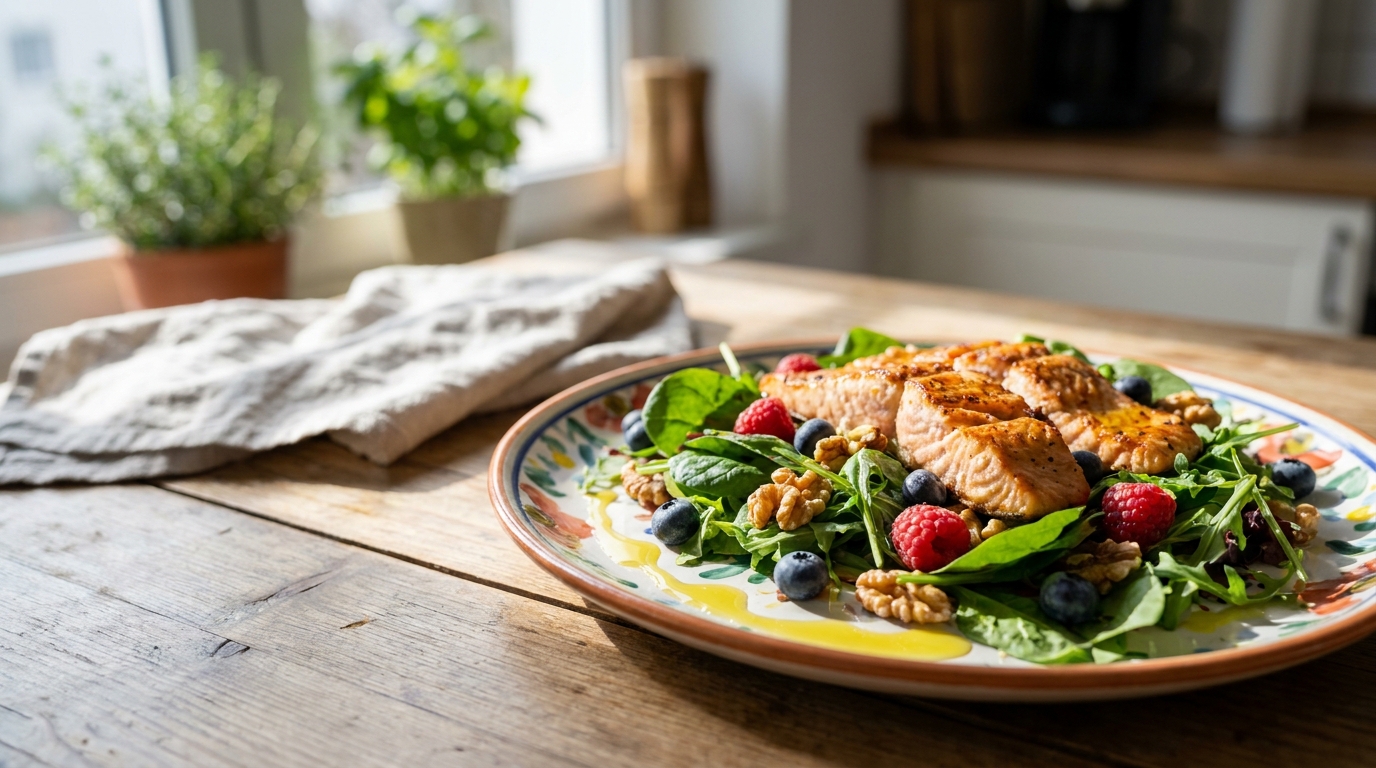
What You Eat Can Fight Inflammation From the Inside Out
Inflammation is one of those words that gets thrown around a lot in health conversations — and for good reason. While acute inflammation is a normal and necessary immune response (think: redness around a cut as your body heals), chronic low-grade inflammation is a different story. Linked to conditions including heart disease, type 2 diabetes, arthritis, and certain cancers, chronic inflammation quietly does damage over time. The encouraging news is that what you put on your plate every day has a measurable impact on your body’s inflammatory state. This article explores eleven of the most research-supported anti-inflammatory foods, how often to eat them, practical ways to incorporate them, a sample one-day menu, and five ultra-processed foods worth swapping out. Please note: this article is for general informational purposes only and is not a substitute for personalized medical advice. Always consult a qualified healthcare provider before making significant dietary changes, especially if you have an existing health condition.
1. Leafy Greens
The Research: Spinach, kale, Swiss chard, arugula, and collard greens are rich in vitamin K, folate, and polyphenols — compounds that have been shown to suppress inflammatory markers like interleukin-6 (IL-6) and C-reactive protein (CRP). A 2021 review published in Nutrients found consistent associations between higher leafy green consumption and reduced systemic inflammation.
Suggested Frequency: Aim for at least one to two cups daily.
Easy Ways to Add Them: Toss a handful of spinach into a morning smoothie (you won’t taste it), add arugula to sandwiches instead of iceberg lettuce, sauté kale with garlic as a quick side dish, or fold chopped greens into scrambled eggs.
2. Fatty Fish (Omega-3s)
The Research: Salmon, mackerel, sardines, herring, and anchovies are among the richest dietary sources of EPA and DHA — long-chain omega-3 fatty acids that directly inhibit the production of pro-inflammatory cytokines and eicosanoids. The American Heart Association recommends fatty fish for cardiovascular protection, and multiple meta-analyses have confirmed omega-3s’ role in reducing CRP and other inflammatory biomarkers.
Suggested Frequency: Two to three servings per week (about 3–4 ounces per serving).
Easy Ways to Add Them: Bake salmon with lemon and herbs on a sheet pan alongside vegetables for a 20-minute dinner. Keep canned sardines or anchovies on hand for topping crackers or mixing into pasta. Try a smoked mackerel pâté as a weekend spread.
3. Berries
The Research: Blueberries, strawberries, raspberries, and blackberries contain anthocyanins — pigment compounds with potent antioxidant and anti-inflammatory properties. Research published in the Journal of Nutrition has linked regular berry consumption to lower levels of inflammatory markers, including NF-κB pathway activity, which plays a central role in chronic inflammation.
Suggested Frequency: Half a cup to one cup, at least four to five times per week. Frozen berries are just as nutritious as fresh and are often more affordable.
Easy Ways to Add Them: Stir into oatmeal or yogurt, blend into smoothies, toss onto salads with a balsamic dressing, or enjoy a small bowl as an evening dessert.
4. Extra-Virgin Olive Oil
The Research: The cornerstone of the Mediterranean diet, extra-virgin olive oil (EVOO) contains oleocanthal, a compound with properties remarkably similar to ibuprofen in its ability to inhibit the COX-1 and COX-2 enzymes responsible for inflammatory responses. A landmark study in Nature described oleocanthal as a “natural anti-inflammatory compound.” EVOO is also rich in oleic acid and polyphenols that further support this effect.
Suggested Frequency: Two to four tablespoons daily as your primary cooking fat.
Easy Ways to Add It: Use as a salad dressing base, drizzle over roasted vegetables or soup just before serving, use for low-to-medium heat sautéing, or dip whole-grain bread into it with a pinch of herbs.
5. Nuts and Seeds
The Research: Walnuts are particularly high in ALA (alpha-linolenic acid), a plant-based omega-3. Almonds, flaxseeds, chia seeds, and hemp seeds each bring their own anti-inflammatory profiles through healthy fats, vitamin E, magnesium, and fiber. A 2020 review in Advances in Nutrition found that regular nut consumption was associated with lower CRP and IL-6 levels.
Suggested Frequency: A small handful of nuts (about 1 ounce) or one to two tablespoons of seeds daily.
Easy Ways to Add Them: Sprinkle ground flaxseed into oatmeal or yogurt, add chia seeds to overnight oats or smoothies, keep a small bag of mixed nuts for snacking, or scatter walnuts over salads and grain bowls.
6. Fermented Foods
The Research: Yogurt (with live cultures), kefir, kimchi, sauerkraut, miso, and kombucha contain probiotics that support a diverse gut microbiome. A healthy gut microbiome is increasingly recognized as a key regulator of systemic inflammation. A 2021 study published in Cell found that a high-fermented-food diet increased microbiome diversity and significantly reduced 19 inflammatory proteins.
Suggested Frequency: One to two servings daily.
Easy Ways to Add Them: Have plain Greek yogurt with berries at breakfast, add a spoonful of kimchi or sauerkraut to grain bowls or tacos, use miso paste to make a quick soup base, or sip kefir as a mid-morning drink.
7. Turmeric and Ginger
The Research: Curcumin, the active compound in turmeric, has been extensively studied for its ability to inhibit NF-κB and reduce levels of TNF-alpha, two major drivers of chronic inflammation. Ginger contains gingerols and shogaols, which similarly modulate inflammatory pathways. Both spices have accumulated hundreds of peer-reviewed studies supporting their anti-inflammatory potential, with combined effects also noted in joint health research.
Suggested Frequency: Use turmeric and ginger as daily cooking staples — even small amounts used consistently add up.
Easy Ways to Add Them: Add half a teaspoon of turmeric to soups, stews, scrambled eggs, or rice. Grate fresh ginger into stir-fries, salad dressings, or hot water with lemon for a simple tea. Make a “golden milk” latte with turmeric, ginger, black pepper (which enhances curcumin absorption), and warm milk of your choice.
8. Green Tea
The Research: Green tea is one of the richest sources of epigallocatechin-3-gallate (EGCG), a catechin with well-documented anti-inflammatory and antioxidant effects. Research published in Molecular Nutrition & Food Research found that EGCG can suppress inflammatory cytokine production and reduce oxidative stress markers.
Suggested Frequency: Two to three cups per day.
Easy Ways to Add It: Replace your afternoon coffee with a cup of green tea, brew a large batch and refrigerate it as iced tea, or use cooled green tea as a liquid base for smoothies.
9. Dark Chocolate (70%+)
The Research: Dark chocolate with at least 70% cocoa content is rich in flavanols, particularly epicatechin, which has been shown to reduce CRP levels and improve endothelial function. A study in Antioxidants found that regular consumption of high-cocoa dark chocolate was associated with measurable reductions in inflammatory biomarkers. The key is percentage — milk chocolate does not offer the same benefits.
Suggested Frequency: One to two small squares (about 1 ounce) most days.
Easy Ways to Add It: Enjoy a square or two after dinner, chop into oatmeal, or melt and drizzle over fruit. Look for brands where cocoa is the first listed ingredient.
10. Tomatoes
The Research: Tomatoes are one of the best dietary sources of lycopene, a carotenoid antioxidant with proven anti-inflammatory properties. Cooked or processed tomatoes (such as tomato paste, sauce, or canned tomatoes) actually deliver more bioavailable lycopene than raw tomatoes, because heat breaks down cell walls. Studies have linked higher lycopene intake with reduced CRP and lower risk of cardiovascular disease.
Suggested Frequency: Several times per week, with an emphasis on cooked forms.
Easy Ways to Add Them: Use canned crushed tomatoes as a base for soups and sauces, roast cherry tomatoes with olive oil and garlic as a side dish, or add tomato paste to stews for depth of flavor and a lycopene boost.
11. Cruciferous Vegetables
The Research: Broccoli, cauliflower, Brussels sprouts, cabbage, and bok choy are rich in sulforaphane, a compound that activates the Nrf2 pathway — a key cellular defense system that helps neutralize oxidative stress and inflammation. Research published in Cancer Prevention Research and other journals has highlighted sulforaphane’s wide-ranging anti-inflammatory and protective effects.
Suggested Frequency: At least three to four servings per week, aiming for variety within the category.
Easy Ways to Add Them: Roast broccoli or Brussels sprouts with olive oil and salt until crispy, shred raw cabbage into slaws, add cauliflower to curries or mash it as a potato alternative, or steam bok choy as a quick weeknight side.
Sample One-Day Anti-Inflammatory Menu
Breakfast: Plain Greek yogurt layered with mixed berries, a tablespoon of ground flaxseed, a drizzle of honey, and a cup of green tea.
Mid-Morning Snack: A small handful of walnuts and two squares of 70%+ dark chocolate.
Lunch: A large salad with arugula, cherry tomatoes, cucumber, canned sardines, olives, and a dressing of extra-virgin olive oil and lemon juice. Whole-grain bread on the side.
Afternoon: A mug of golden milk (warm milk with turmeric, ginger, and black pepper) or a second cup of green tea.
Dinner: Baked salmon fillet over a bed of sautéed kale and garlic, with a side of roasted broccoli and a spoonful of sauerkraut.
Dessert: A small bowl of blueberries with a dollop of kefir.
5 Ultra-Processed Foods Worth Swapping Out
- Sugary breakfast cereals → Swap for oatmeal topped with berries and seeds. Refined sugar is one of the most reliably pro-inflammatory dietary components.
- Processed deli meats (salami, bologna) → Swap for canned salmon or sardines. Deli meats are high in sodium, nitrates, and saturated fat, all linked to increased inflammatory markers.
- Vegetable and seed oils high in omega-6 (corn oil, soybean oil) → Swap for extra-virgin olive oil. An imbalanced omega-6 to omega-3 ratio is a recognized driver of systemic inflammation.
-
Flavored commercial yogurt → Swap for plain Greek yogurt with fresh fruit. Many flavored yogurts contain as much added sugar as a candy bar, negating the probiotic benefit entirely.
-
Packaged chips and crackers → Swap for nuts, seeds, or vegetable sticks with hummus. Ultra-processed snack foods typically contain refined carbohydrates, industrial oils, and artificial additives that promote inflammatory responses.
Putting It All Together
No single food will eliminate inflammation, and no single food needs to be eaten perfectly every day. The most meaningful dietary changes come from consistent patterns over time — gradually crowding out processed foods with whole, varied, nutrient-dense options. Think of these eleven foods not as a strict prescription but as a versatile toolkit. The more of them that appear regularly across your weekly meals, the more you are tipping your body’s biochemistry toward a calmer, less inflamed state.
Sources and Further Reading
- Calder, P.C. (2017). Omega-3 fatty acids and inflammatory processes. Nutrients. https://www.mdpi.com/2072-6643/9/5/468
- Beauchamp, G.K. et al. (2005). Ibuprofen-like activity in extra-virgin olive oil. Nature. https://www.nature.com/articles/437045a
- Wastyk, H.C. et al. (2021). Gut-microbiota-targeted diets modulate human immune status. Cell. https://www.cell.com/cell/fulltext/S0092-8674(21)00821-2
- American Heart Association – Fish and Omega-3 Fatty Acids: https://www.heart.org/en/healthy-living/healthy-eating/eat-smart/fats/fish-and-omega-3-fatty-acids
- Aune, D. et al. (2017). Fruit and vegetable intake and the risk of chronic disease. International Journal of Epidemiology. https://academic.oup.com/ije/article/46/3/1029/3039477
- Nutrients journal – Leafy greens and inflammation: https://www.mdpi.com/journal/nutrients
