
How to Keep Your Home Pest-Free Naturally
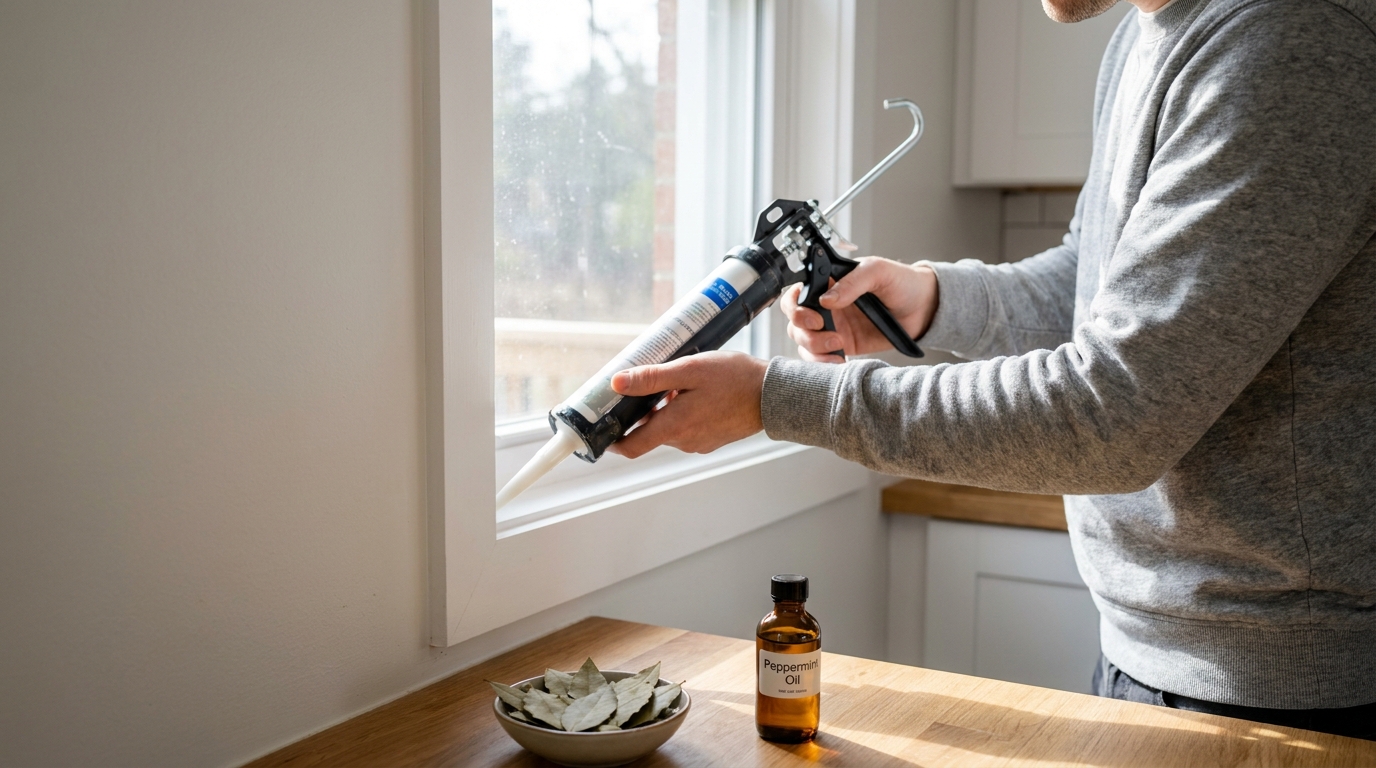
Natural pest control has gained serious momentum in recent years, and for good reason. Conventional pesticides can leave chemical residues on surfaces where children and pets spend time, contaminate groundwater, and kill beneficial insects like bees and ladybugs that your garden depends on. The good news is that a thoughtful, layered approach using natural methods can handle the majority of common household pest problems without any of those trade-offs. This guide walks you through everything from basic prevention to plant-based yard deterrents, so you can build a home environment where pests simply don’t want to be.
Start With Prevention: The Foundation of Natural Pest Control
No treatment — natural or chemical — works well for long if your home is an open invitation. Prevention is the first and most important layer of any pest management strategy, and it costs very little.
Sealing Entry Points
Pests don’t materialize inside your home; they enter through gaps, cracks, and poorly fitted openings. Walk the exterior of your home and look for cracks in the foundation, gaps around utility pipes, loose weatherstripping around doors, and spaces where window screens have torn or pulled away from frames. Even a gap the width of a pencil is enough for mice to squeeze through. Use caulk for small cracks, expandable foam for larger gaps around pipes, and steel wool as a plug in areas where rodents are a concern — they can’t chew through it. Replace any weatherstripping that no longer creates a tight seal.
Food and Garbage Storage
Accessible food is the number one reason pests stick around once they’ve found their way in. Store dry pantry goods like flour, rice, cereals, and pet food in airtight containers made of glass or thick plastic. Don’t leave dirty dishes sitting overnight, wipe down counters after cooking, and clean up crumbs immediately. Keep garbage cans tightly lidded both inside and outside the home, and take out indoor trash regularly. Compost bins should be sealed and kept well away from the house.
Moisture and Clutter Control
Many pests are drawn to moisture as much as food. Fix leaky faucets and pipes promptly, run a dehumidifier in damp basements, and make sure bathrooms are well-ventilated. Check under sinks regularly for drips. Outside, clear clogged gutters and make sure water drains away from the foundation rather than pooling against it. Indoors, reduce clutter — cardboard boxes, stacks of paper, and unused furniture are prime nesting spots for cockroaches, spiders, and rodents.
Pest-by-Pest Natural Treatments
Once your prevention habits are in place, you can address specific pests with targeted natural remedies.
Ants
Ants are one of the most common household complaints, and they respond well to natural treatment. White vinegar disrupts the pheromone trails ants use to navigate, so wiping down counters, floors, and baseboards with a 50/50 solution of white vinegar and water breaks up their communication and discourages scouts from returning. For a more aggressive approach, a borax bait is highly effective. Mix one part borax with three parts sugar and a small amount of water to create a paste or liquid bait, then place it near ant trails. Worker ants carry it back to the colony, eventually killing the queen and collapsing the nest. Keep borax bait away from pets and children, as ingesting large quantities can be harmful. It typically takes several days to a couple of weeks for a borax bait to fully work — that patience is important, because killing ants too quickly at the entry point means the poison never reaches the colony.
Mice
Mice are best addressed through a combination of exclusion (the entry sealing described above), deterrents, and traps. Peppermint oil is a widely used natural deterrent — mice have extremely sensitive olfactory systems and find the strong scent overwhelming. Soak cotton balls in pure peppermint essential oil and place them near known or suspected entry points, in cabinet corners, and along baseboards. Replace them every week or two as the scent fades. For active infestations, snap traps remain the most effective and humane option in the natural toolkit — they kill quickly, don’t involve toxins, and are easy to reset. Place them along walls, as mice naturally travel close to the edges of rooms. Live traps are another option if you prefer to release mice outdoors, though you’ll need to release them at least a mile from your home to prevent their return.
Spiders
Most household spiders are actually beneficial, preying on other insects, but large populations or dangerous species like black widows or brown recluses warrant action. Regular vacuuming is the most straightforward approach — vacuum webs, egg sacs, and any spiders you can reach in corners, along ceilings, and under furniture. Cedar is a natural spider repellent; cedar blocks or cedar essential oil placed in closets, basements, and storage areas can discourage them from setting up home there. Diatomaceous earth (food-grade) sprinkled along baseboards and in dark corners damages the exoskeletons of spiders and other crawling insects, causing them to dehydrate. It’s non-toxic to humans and pets but should be applied in thin layers and reapplied after vacuuming or mopping.
Mosquitoes
The most powerful thing you can do about mosquitoes requires no product at all: eliminate standing water. Mosquitoes breed in as little as a bottle cap’s worth of stagnant water, so walk your yard after rain and empty anything that collects water — planters, tarps, birdbaths (refresh the water every few days), clogged gutters, and toys. For deterrence, citronella candles and torches create a scented barrier that mosquitoes dislike. While citronella works better in calm air than in a breeze, it’s an effective tool for patios and outdoor gatherings. Planting lemon balm, basil, and lavender near sitting areas adds another layer of natural deterrence. For skin protection, oil of lemon eucalyptus (OLE) is recognized by the CDC as an effective plant-based mosquito repellent for adults.
Cockroaches
Cockroaches are resilient, but they are not unbeatable with natural methods. Boric acid is the cornerstone of natural roach control — it’s a naturally occurring compound that damages the insects’ digestive systems and nervous systems when they walk through it and groom themselves. Apply a thin, barely visible layer in areas where roaches are active: behind the refrigerator and stove, under the dishwasher, inside cabinet hinges, and along the backs of drawers. Thick piles of boric acid are actually less effective, as roaches will walk around them. Pair boric acid with strict sanitation: deep clean the kitchen, eliminate any grease buildup behind appliances, seal food completely, and fix any moisture issues. Diatomaceous earth can supplement boric acid in drier areas. With consistent effort, natural roach control takes two to four weeks to show significant results.
Deterrent Plants for the Yard
Your landscaping can be a living pest barrier. Strategic planting around the perimeter of your home and near entrances creates a natural repellent zone.
Lavender repels mosquitoes, moths, fleas, and flies. It thrives in sunny spots and looks beautiful near walkways and entryways.
Marigolds contain pyrethrum, a naturally occurring compound used in many commercial insect repellents. Plant them in borders around vegetable gardens to deter aphids, whiteflies, and even rabbits.
Basil planted near doorways or kitchen windows repels flies and mosquitoes, and doubles as a culinary herb.
Mint (planted in containers, as it spreads aggressively) deters ants, aphids, and mice. Peppermint and spearmint are the most potent varieties.
Chrysanthemums produce pyrethrin and are effective against roaches, ants, ticks, fleas, and spider mites.
Rosemary is a multi-purpose deterrent for mosquitoes, cabbage moths, and carrot flies, and it works well in garden beds and near patios.
Planting these strategically rather than randomly makes a difference. Concentrating deterrent plants near doors, windows, and the foundation of the house gives you the most protective benefit.
When Natural Methods Aren’t Enough
Natural pest control is genuinely effective for the vast majority of common household pest problems, but there are situations where it’s not sufficient — and recognizing those situations quickly matters.
If you have a large or rapidly growing rodent infestation, natural deterrents and a few snap traps may not keep pace. Rodents reproduce quickly and can cause serious structural damage and health risks through their droppings. Similarly, if you discover a termite problem, no natural home remedy will adequately address it — termites cause an estimated $5 billion in property damage annually in the United States, and they require professional treatment to fully eliminate.
Bed bugs are another case where natural methods consistently fall short. Their ability to hide in the smallest crevices, survive for months without feeding, and rapidly repopulate makes them extremely difficult to eradicate without professional heat treatment or targeted chemical intervention. Dangerous spider species — particularly black widows in the South and West or brown recluses in the Midwest — warrant professional identification and treatment if found repeatedly in living areas. And if a colony of stinging insects like wasps or yellow jackets has established itself inside a wall void, attempting to remove it without professional help is genuinely dangerous.
The rule of thumb: if you’ve applied natural methods consistently for three to four weeks without meaningful improvement, or if the infestation presents a health or structural risk, it’s time to call a professional.
What to Expect From Green Pest Control Companies
The growth of eco-conscious pest control has created a strong market of companies that specialize in low-toxicity, integrated pest management (IPM) approaches. These companies prioritize exclusion, habitat modification, and targeted treatments using plant-based or naturally derived products, reserving synthetic chemicals only as a last resort.
When you hire a green pest control company, expect a thorough inspection that goes beyond identifying where pests are — a good IPM provider will identify why they’re there and address the underlying conditions. They should provide a written treatment plan explaining exactly what products will be used and where, and those products should be ones you can research. Look for companies that use botanically derived treatments like neem oil, pyrethrin, or essential oil formulations, and that are transparent about ingredient lists.
Certifications to look for include QualityPro Green, which is issued by the National Pest Management Association, and GreenPro, which verifies that companies adhere to IPM principles. These designations mean the company has been independently evaluated against sustainability standards.
Cost-wise, green pest control services are generally comparable to conventional services. A one-time inspection and treatment typically runs between $150 and $300, while ongoing quarterly service plans generally range from $400 to $700 per year depending on your region and the size of your home. Some companies offer a hybrid model where natural methods are used preventatively, with targeted conventional treatments applied only when a specific threshold is crossed.
Ask prospective companies directly: what percentage of their treatments use synthetic pesticides? How do they define success, and what guarantees do they offer? A company that stands behind its work with a re-treatment guarantee is worth the investment.
Natural pest control isn’t a single fix — it’s a system. When prevention, targeted treatments, deterrent planting, and smart professional partnerships work together, you get a home that’s genuinely resistant to pests without sacrificing the health of the people, pets, and garden that make it worth protecting.
Sources and Further Reading
- CDC recommendation on Oil of Lemon Eucalyptus: https://www.cdc.gov/mosquitoes/prevention/index.html
- Termite damage statistics — National Pest Management Association: https://www.pestworld.org/pest-guide/termites/
- QualityPro Green certification information: https://www.qualitypro.org/green
- GreenPro certification — NPMA: https://www.npmapestworld.org/greenpro
- Integrated Pest Management (IPM) overview — EPA: https://www.epa.gov/managing-pests-schools/introduction-integrated-pest-management
- Pest control cost data — HomeAdvisor/Angi: https://www.angi.com/articles/how-much-does-pest-control-cost.htm
