
The Mediterranean Diet Explained: A Beginner’s Guide
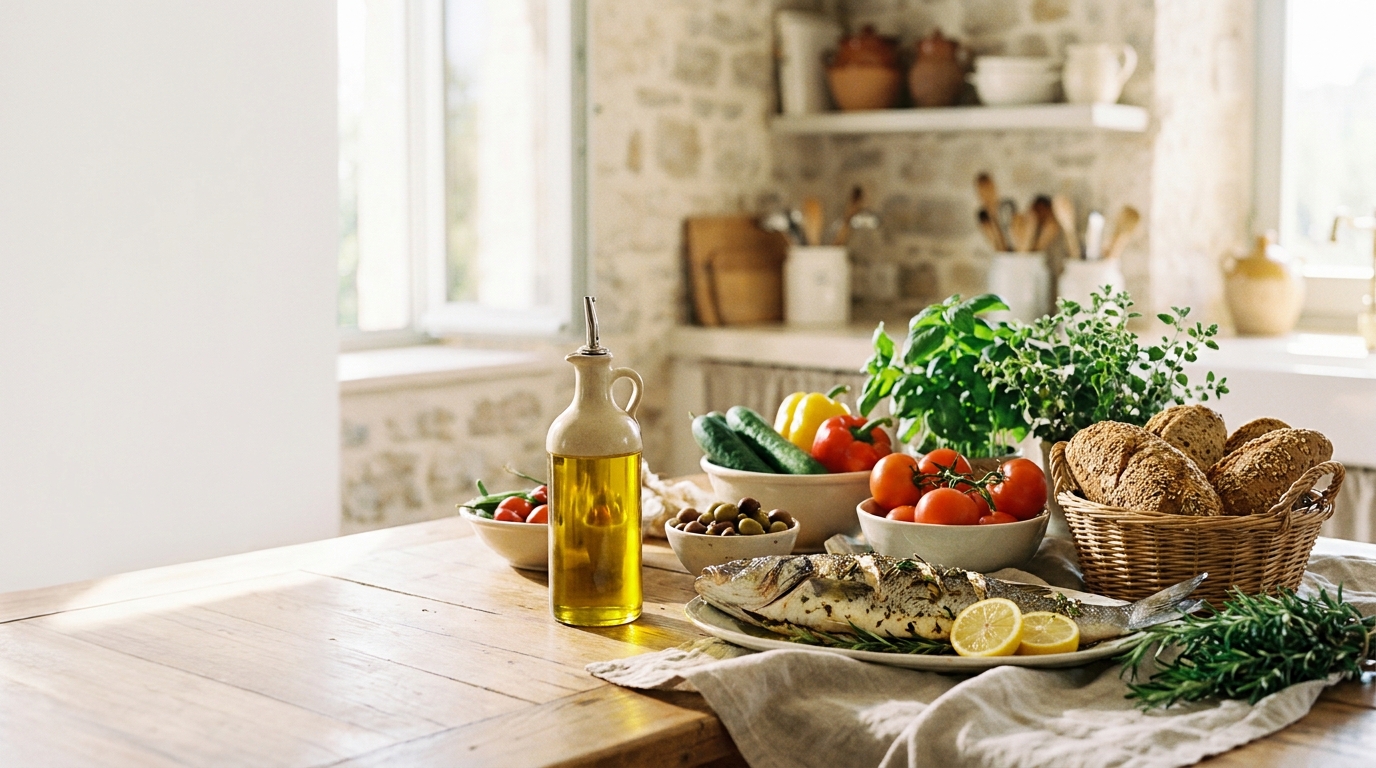
What Is the Mediterranean Diet and Why Should You Care?
If you’ve ever sat down to a meal of grilled fish drizzled with olive oil, a side of roasted vegetables, and a glass of red wine, you’ve already experienced a taste of the Mediterranean lifestyle. The Mediterranean diet isn’t a short-term weight-loss program or a restrictive eating plan. It’s a centuries-old way of eating inspired by the traditional food cultures of countries bordering the Mediterranean Sea — including Greece, Italy, Spain, and Morocco. And unlike many modern diets, it comes with a remarkable body of scientific evidence backing its benefits.
This guide breaks down everything a beginner needs to know: what to eat, what the research says, how it benefits your health, and how to make it work in a typical American home.
The Mediterranean Diet Food Pyramid
Think of the Mediterranean diet as a hierarchy of food groups, where the most health-promoting foods form the foundation, and the less-frequent choices sit at the top.
Base of the Pyramid — Eat at Every Meal:
– Vegetables and fruits form the cornerstone of this diet. Leafy greens, tomatoes, cucumbers, eggplant, zucchini, peppers, citrus, berries, figs, and pomegranates should appear on your plate generously and often. Aim for at least five servings a day.
– Whole grains such as whole-wheat bread, farro, barley, oats, and brown rice provide fiber and sustained energy. Refined white bread and pasta still exist in Mediterranean cultures, but they’re consumed in smaller portions and balanced with other nutrient-dense foods.
– Legumes — lentils, chickpeas, black beans, white beans, and fava beans — are protein powerhouses that also deliver fiber and minerals. They appear in soups, salads, and stews several times a week.
– Olive oil is the primary fat used for cooking, drizzling, and dipping. Extra-virgin olive oil (EVOO) is the gold standard, loaded with monounsaturated fats and polyphenols.
– Nuts and seeds — almonds, walnuts, pistachios, sesame seeds, and pine nuts — serve as snacks or garnishes. They’re calorie-dense, so a small handful is the appropriate portion.
Middle of the Pyramid — Eat Several Times a Week:
– Fish and seafood take center stage as the primary animal protein. Fatty fish like salmon, sardines, mackerel, and anchovies are rich in omega-3 fatty acids. Shrimp, mussels, and clams also fit in well.
– Moderate dairy in the form of yogurt (especially plain Greek yogurt) and cheeses like feta, pecorino, and ricotta is typical. These are consumed in modest amounts, not in the heaping servings common in American diets.
– Eggs are eaten a few times per week, often prepared simply — soft-boiled, poached, or folded into vegetable dishes.
– Moderate red wine, typically one glass per day for women and up to two for men, is a traditional accompaniment to meals in many Mediterranean cultures. This is optional, and no one should start drinking alcohol for health reasons.
Top of the Pyramid — Eat Sparingly:
– Red meat such as beef, pork, and lamb is consumed infrequently — perhaps a few times per month rather than daily. When it does appear, portions are small.
– Sweets and processed foods like pastries, sugary drinks, and packaged snacks are occasional indulgences, not everyday staples.
What the Research Says
The Mediterranean diet is one of the most studied dietary patterns in nutritional science, and the evidence is compelling.
The PREDIMED Trial
The landmark PREDIMED study (Prevención con Dieta Mediterránea) is among the most influential nutrition studies ever conducted. Published in the New England Journal of Medicine in 2013 and updated in 2018, the trial followed over 7,400 adults at high cardiovascular risk across Spain. Participants were randomly assigned to one of three groups: a Mediterranean diet supplemented with extra-virgin olive oil, a Mediterranean diet supplemented with mixed nuts, or a control low-fat diet. The results showed that both Mediterranean diet groups had significantly lower rates of major cardiovascular events — including heart attack and stroke — compared to the control group. The olive oil group saw a 31% reduction in cardiovascular events, while the nut group saw a 28% reduction.
Lancet Meta-Analyses
Several large meta-analyses published in The Lancet and other top-tier journals have reinforced the PREDIMED findings. A 2019 meta-analysis examining data from over 12 million people found strong associations between Mediterranean diet adherence and lower risks of cardiovascular disease, several cancers, type 2 diabetes, and all-cause mortality. The consistent message across these population-scale studies is that no single superfood is responsible — it’s the overall pattern of eating that produces benefits.
Note: This article is for general informational purposes only and is not intended as medical advice. Always consult a qualified healthcare provider before making significant dietary changes.
Benefits for Heart and Brain Health
Heart Health
The cardiovascular benefits of the Mediterranean diet are perhaps its most well-documented feature. The diet’s heavy reliance on olive oil provides oleocanthal and oleic acid, anti-inflammatory compounds that help reduce LDL (“bad”) cholesterol oxidation and support arterial health. Omega-3 fatty acids from fish lower triglycerides and reduce inflammation throughout the body. Fiber from legumes, whole grains, and vegetables supports healthy blood pressure and cholesterol levels. Collectively, these mechanisms help reduce the risk of heart attack, stroke, and hypertension.
Brain Health and Cognitive Function
Emerging research suggests the Mediterranean diet may also protect the aging brain. A study published in Neurology found that older adults who adhered closely to a Mediterranean-style diet had less brain atrophy and better cognitive performance than those who did not. The MIND diet — a hybrid of the Mediterranean and DASH diets developed specifically to target brain health — showed in a Rush University study that close adherence was associated with a 53% reduction in Alzheimer’s disease risk. Researchers believe the combination of antioxidant-rich produce, anti-inflammatory fats, and B vitamins from legumes and whole grains plays a central role in neuroprotection.
7-Day Sample Mediterranean Menu
Monday
– Breakfast: Greek yogurt with honey, walnuts, and sliced strawberries
– Lunch: Lentil soup with crusty whole-grain bread
– Dinner: Baked salmon with roasted asparagus and quinoa
Tuesday
– Breakfast: Whole-grain toast with mashed avocado and a poached egg
– Lunch: Chickpea and cucumber salad with lemon-tahini dressing
– Dinner: Chicken thighs braised with tomatoes, olives, and capers over brown rice
Wednesday
– Breakfast: Overnight oats with almond milk, blueberries, and chia seeds
– Lunch: Hummus wrap with roasted red peppers, spinach, and feta in a whole-wheat tortilla
– Dinner: Grilled shrimp with garlic, olive oil, and lemon served over farro with a side Greek salad
Thursday
– Breakfast: Soft scrambled eggs with sautéed spinach and cherry tomatoes
– Lunch: White bean and kale soup
– Dinner: Whole-wheat pasta with marinara sauce, sautéed eggplant, and a sprinkle of pecorino
Friday
– Breakfast: Smoothie with banana, spinach, Greek yogurt, and a handful of almonds
– Lunch: Sardines on whole-grain crackers with sliced tomato and fresh basil
– Dinner: Baked cod with roasted zucchini, bell peppers, and herbed couscous
Saturday
– Breakfast: Shakshuka (eggs poached in spiced tomato sauce) with whole-grain pita
– Lunch: Tabbouleh with grilled halloumi
– Dinner: Lamb kebabs (small portion) with tzatziki, roasted eggplant, and whole-wheat pita
Sunday
– Breakfast: Ricotta on whole-grain toast with sliced figs and a drizzle of honey
– Lunch: Vegetable minestrone soup
– Dinner: Whole roasted branzino with lemon, herbs, olives, and a side of roasted potatoes
Mediterranean Diet Grocery Shopping List
Produce:
– Tomatoes, cucumbers, zucchini, eggplant, spinach, kale, arugula
– Bell peppers, artichokes, broccoli, fennel
– Lemons, oranges, figs, berries, grapes, pomegranate
Grains and Legumes:
– Whole-grain bread, whole-wheat pasta, farro, barley, quinoa
– Canned or dried chickpeas, lentils, white beans, black beans
Proteins:
– Fresh or frozen salmon, cod, sardines (canned in olive oil), shrimp
– Eggs, plain Greek yogurt, feta cheese
Pantry Staples:
– Extra-virgin olive oil (look for cold-pressed, single-origin varieties)
– Canned San Marzano tomatoes, tomato paste
– Tahini, hummus, olives, capers
– Dried herbs: oregano, thyme, rosemary, basil
– Nuts: walnuts, almonds, pistachios
Optional:
– A bottle of dry red wine (Chianti, Grenache, or Tempranillo work beautifully)
Common Mistakes Beginners Make
Overdoing the Pasta
American portions of pasta are famously enormous — a typical restaurant serving can be three to four times what’s appropriate. In the Mediterranean tradition, pasta is a side dish or a modest first course, not the centerpiece of every meal. A serving size is about one cup of cooked pasta, balanced with plenty of vegetables, legumes, or a small amount of protein.
Ignoring Portion Sizes on Olive Oil and Nuts
Olive oil is incredibly healthy, but it’s still calorie-dense at roughly 120 calories per tablespoon. Similarly, a large handful of almonds can quickly add 300–400 calories. Enjoying these foods is absolutely encouraged — but being mindful of quantity is important, especially if weight management is a goal.
Treating It Like an All-or-Nothing Diet
Some beginners try to overhaul their entire kitchen overnight and then give up when it feels overwhelming. The Mediterranean diet is meant to be flexible and enjoyable. Start by swapping butter for olive oil, adding an extra vegetable to dinner, or replacing one red meat meal per week with fish.
Neglecting Physical Activity and Social Eating
The traditional Mediterranean lifestyle isn’t just about food. It includes regular movement — walking, gardening, light activity — and the social experience of sharing meals with others. Eating slowly and mindfully at a table with others is considered part of the dietary pattern by researchers who study it.
Adapting the Mediterranean Diet to an American Kitchen
The Mediterranean diet translates surprisingly well to American kitchens with a few simple swaps and strategies.
Stock a Mediterranean Pantry: Keep canned beans, canned tomatoes, olive oil, dried whole grains, and a rotating selection of nuts on hand. These staples make weeknight cooking fast and flexible.
Embrace Frozen Fish: Fresh seafood can be expensive, but frozen salmon fillets, shrimp, and cod are budget-friendly and nutritionally comparable. A 1-pound bag of frozen wild-caught salmon typically costs $8–$12 at most major grocery stores, while canned sardines run as little as $1.50–$3 per tin.
Use American Produce Seasonally: You don’t need to import ingredients. Zucchini, tomatoes, peppers, kale, blueberries, and walnuts are all domestic staples that fit perfectly into this dietary pattern.
Lean on Beans as a Budget Protein: Dried lentils cost roughly $1.50–$2 per pound and provide multiple servings of protein and fiber — making them one of the most cost-effective foods in any kitchen.
Batch Cook on Weekends: Prepare a large pot of grains, a batch of roasted vegetables, and a legume-based soup at the beginning of the week. These form the foundation of several quick weekday meals.
Visit Ethnic Grocery Stores: Middle Eastern, Greek, and Mediterranean specialty markets often carry authentic olive oils, tahini, spices, and cheeses at competitive prices compared to mainstream supermarkets.
Final Thoughts
The Mediterranean diet stands apart from fad diets not because it promises dramatic short-term results, but because it delivers a sustainable, enjoyable, and scientifically supported approach to eating well for life. It’s not about elimination — it’s about abundance: abundant vegetables, wholesome grains, flavorful legumes, quality fats, and the pleasure of real food shared with real people.
Getting started doesn’t require an expensive overhaul. Swap your cooking oil, add more vegetables, eat fish twice a week, and reach for a handful of nuts instead of a processed snack. Small, consistent shifts in the right direction add up to meaningful change over time.
Sources and Further Reading
- Estruch R, et al. (2018). Primary Prevention of Cardiovascular Disease with a Mediterranean Diet Supplemented with Extra-Virgin Olive Oil or Nuts. New England Journal of Medicine. https://www.nejm.org/doi/full/10.1056/NEJMoa1800389
- Sofi F, et al. (2010). Accruing evidence on benefits of adherence to the Mediterranean diet on health. The Lancet. https://www.thelancet.com
- Morris MC, et al. (2015). MIND diet associated with reduced incidence of Alzheimer’s disease. Alzheimer’s & Dementia. https://pubmed.ncbi.nlm.nih.gov/25681430/
- Pelletier JE, et al. Neurology study on Mediterranean diet and brain volume: https://www.neurology.org
- USDA FoodData Central for nutritional information: https://fdc.nal.usda.gov
- Grocery price estimates sourced from national retailer averages (Kroger, Walmart, Whole Foods) as of 2024; prices may vary by region and season.
