
Understanding High Blood Pressure: Causes and Solutions
Understanding Hypertension in 2026: A Comprehensive Guide
High blood pressure — known medically as hypertension — remains one of the most prevalent and consequential health conditions worldwide. According to the Centers for Disease Control and Prevention (CDC), nearly half of all American adults live with hypertension, and a significant portion of them don’t know it. Often called “the silent killer,” hypertension rarely produces obvious symptoms in its early stages, yet it quietly damages blood vessels, strains the heart, and raises the risk of heart attack, stroke, kidney disease, and cognitive decline over time. The good news is that hypertension is highly manageable through a combination of lifestyle changes and, when necessary, medication. This guide walks through everything you need to know — from how blood pressure is measured to how to track it at home — while making clear that this information is educational in nature and not a substitute for personalized medical advice.
How Blood Pressure Is Measured
Blood pressure is a measure of the force that blood exerts against the walls of the arteries as the heart pumps. It is recorded as two numbers written one over the other: systolic pressure over diastolic pressure, expressed in millimeters of mercury (mmHg).
- Systolic pressure (the top number) reflects the pressure in the arteries when the heart contracts and pumps blood outward.
- Diastolic pressure (the bottom number) reflects the pressure in the arteries when the heart rests between beats.
A reading of 120/80 mmHg, for example, is read aloud as “120 over 80.”
In a clinical setting, blood pressure is typically measured using a sphygmomanometer — either a traditional aneroid device with an inflatable cuff and a pressure gauge, or a digital automated monitor. The cuff is wrapped around the upper arm and inflated to temporarily stop blood flow, then slowly deflated while a sensor or stethoscope detects when blood resumes flowing. Proper technique matters enormously: the patient should be seated quietly for at least five minutes, feet flat on the floor, back supported, and arm resting at heart level. Talking, crossing the legs, or having a full bladder can all artificially elevate readings.
Because a single clinic reading can be influenced by anxiety, recent activity, or other situational factors, clinicians increasingly rely on multiple readings taken over time — and often on readings taken outside the clinical environment — to make accurate diagnoses.
Current Blood Pressure Categories
The American Heart Association (AHA) and American College of Cardiology (ACC) guidelines, which continue to guide practice in 2026, define blood pressure across four main categories:
| Category | Systolic (mmHg) | Diastolic (mmHg) | |
|---|---|---|---|
| Normal | Less than 120 | and | Less than 80 |
| Elevated | 120–129 | and | Less than 80 |
| Stage 1 Hypertension | 130–139 | or | 80–89 |
| Stage 2 Hypertension | 140 or higher | or | 90 or higher |
A reading of 180/120 mmHg or higher constitutes a hypertensive crisis and requires immediate medical evaluation.
It’s worth noting that these categories were revised downward from older benchmarks (the previous threshold for hypertension was 140/90 mmHg) as research demonstrated that cardiovascular risk increases in a graded fashion even below what was once considered hypertensive. This shift means more people are now classified as having elevated or stage 1 hypertension, though lifestyle modification — rather than medication — is often the first line of response in those lower ranges.
Masked Hypertension vs. White-Coat Hypertension
Two phenomena complicate the straightforward interpretation of clinic blood pressure readings: white-coat hypertension and masked hypertension.
White-coat hypertension occurs when a person’s blood pressure appears elevated in a clinical setting but is normal when measured at home or through ambulatory monitoring. The name refers to the anxiety some people feel in a doctor’s office — the “white coat” being the traditional physician’s attire. Estimates suggest that white-coat hypertension affects roughly 15–30% of individuals with elevated clinic readings. While once considered relatively benign, more recent research suggests that white-coat hypertension may carry some increased cardiovascular risk over the long term, and it warrants ongoing monitoring.
Masked hypertension is the opposite: blood pressure appears normal in the clinic but is elevated in everyday life. This pattern is arguably more dangerous, because it can go undetected and untreated for years while causing ongoing vascular damage. Masked hypertension is associated with higher rates of cardiovascular events than white-coat hypertension.
Both conditions underscore why out-of-office blood pressure measurement — through home monitoring or 24-hour ambulatory blood pressure monitoring (ABPM) — has become increasingly important in diagnosis and management.
Primary vs. Secondary Hypertension
Understanding the root cause of hypertension guides treatment decisions.
Primary (essential) hypertension accounts for approximately 90–95% of all hypertension cases. It has no single identifiable cause but develops gradually over years, shaped by a complex interplay of genetic predisposition, aging, dietary patterns, physical inactivity, obesity, chronic stress, and environmental factors. There is no cure for primary hypertension, but it can be effectively controlled.
Secondary hypertension accounts for the remaining 5–10% of cases and arises from an identifiable underlying condition. Common causes include:
- Chronic kidney disease or renal artery stenosis — the most frequent causes of secondary hypertension
- Primary aldosteronism — overproduction of the hormone aldosterone by the adrenal glands
- Obstructive sleep apnea — a condition increasingly linked to resistant hypertension
- Thyroid disorders — both hypothyroidism and hyperthyroidism can affect blood pressure
- Pheochromocytoma — a rare adrenal tumor that releases surges of adrenaline
- Certain medications — including NSAIDs (like ibuprofen), oral contraceptives, decongestants, and stimulants
When hypertension is severe, presents at a young age, or is resistant to multiple medications, clinicians typically investigate for secondary causes. Treating the underlying condition can sometimes resolve or significantly reduce blood pressure without lifelong antihypertensive medication.
Lifestyle Interventions: Evidence and Effect Sizes
For most people — particularly those with elevated or stage 1 hypertension and no high-risk cardiovascular features — lifestyle modification is the cornerstone of first-line treatment. The following interventions are supported by robust evidence.
The DASH Eating Pattern
The Dietary Approaches to Stop Hypertension (DASH) diet was developed specifically to lower blood pressure through food. It emphasizes fruits, vegetables, whole grains, lean proteins, low-fat dairy, nuts, and legumes, while limiting red meat, sweets, and saturated fats. Clinical trials have consistently demonstrated that the DASH diet can reduce systolic blood pressure by 8–14 mmHg — an effect comparable to a single blood pressure medication. When combined with sodium reduction, results are even more pronounced.
Sodium Restriction
Current guidelines recommend limiting sodium intake to less than 2,300 mg per day, with some evidence suggesting further benefit at 1,500 mg/day in higher-risk individuals. The average American adult consumes roughly 3,400 mg of sodium daily, much of it from processed and restaurant foods. Reducing sodium to recommended levels has been shown to lower systolic blood pressure by approximately 5–6 mmHg on average, with greater effects seen in people with existing hypertension, older adults, and those who are “salt-sensitive.”
Weight Loss
Body weight and blood pressure are closely linked. Excess weight increases the volume of blood in circulation, raises insulin resistance, and activates hormonal pathways (including the renin-angiotensin-aldosterone system) that elevate blood pressure. Research indicates that losing just 5–10 pounds can reduce systolic blood pressure by 3–8 mmHg. For individuals with obesity-related hypertension, sustained weight loss of 10% of body weight can sometimes normalize blood pressure entirely.
Alcohol Moderation
Excessive alcohol consumption raises blood pressure through multiple mechanisms, including activation of the sympathetic nervous system and cortisol release. Current recommendations suggest limiting alcohol to no more than one standard drink per day for women and two for men. Reducing from heavy to moderate drinking has been shown to lower systolic blood pressure by 3–4 mmHg.
Sleep
The relationship between sleep and blood pressure has gained increasing scientific attention. Blood pressure normally dips during sleep — a phenomenon called “nocturnal dipping” — and people whose blood pressure fails to drop at night face higher cardiovascular risk. Chronic sleep deprivation (less than 6 hours per night) is independently associated with hypertension. Addressing obstructive sleep apnea — which disrupts nighttime blood pressure patterns — can reduce systolic blood pressure by 2–10 mmHg depending on severity. Prioritizing 7–9 hours of quality sleep per night is now a recognized component of hypertension management.
Physical Activity
Regular aerobic exercise is among the most effective lifestyle interventions for blood pressure. Engaging in 150 minutes per week of moderate-intensity aerobic activity — such as brisk walking, cycling, or swimming — has been shown to lower systolic blood pressure by 4–9 mmHg. Resistance training adds additional benefit. Exercise lowers blood pressure by improving arterial stiffness, reducing sympathetic nervous system activity, promoting weight loss, and improving insulin sensitivity. The effects are dose-dependent, and even short bouts of daily movement (such as 10-minute walks spread throughout the day) confer measurable benefit.
Taken together, these lifestyle changes are not merely supplementary. For many individuals, a comprehensive lifestyle overhaul can reduce systolic blood pressure by 20 mmHg or more — easily reaching the magnitude of two medications.
When Medication Is Added
Lifestyle changes are the first response for elevated and stage 1 hypertension in lower-risk individuals. However, medication becomes a consideration — or a necessity — in several circumstances:
- Stage 2 hypertension (140/90 mmHg or higher) typically warrants medication alongside lifestyle modification.
- Stage 1 hypertension with high cardiovascular risk — including individuals with existing heart disease, diabetes, chronic kidney disease, or a 10-year cardiovascular risk of 10% or greater — is also an indication for pharmacologic treatment.
- Hypertension that does not respond adequately to lifestyle changes alone after a trial period (typically 3–6 months) is another reason medication is added.
The main classes of first-line antihypertensive medications include:
- ACE inhibitors and ARBs (angiotensin-converting enzyme inhibitors and angiotensin receptor blockers), which relax blood vessels and reduce fluid retention
- Thiazide diuretics, which reduce blood volume
- Calcium channel blockers, which relax arterial walls
Choosing among these depends on individual patient factors, including the presence of other conditions, ethnicity, age, and kidney function. Many people eventually require a combination of two or more medications to achieve target blood pressure. The decision about whether, when, and what medication to use is one that should be made collaboratively between a patient and their healthcare provider.
Home Blood Pressure Monitoring Tips
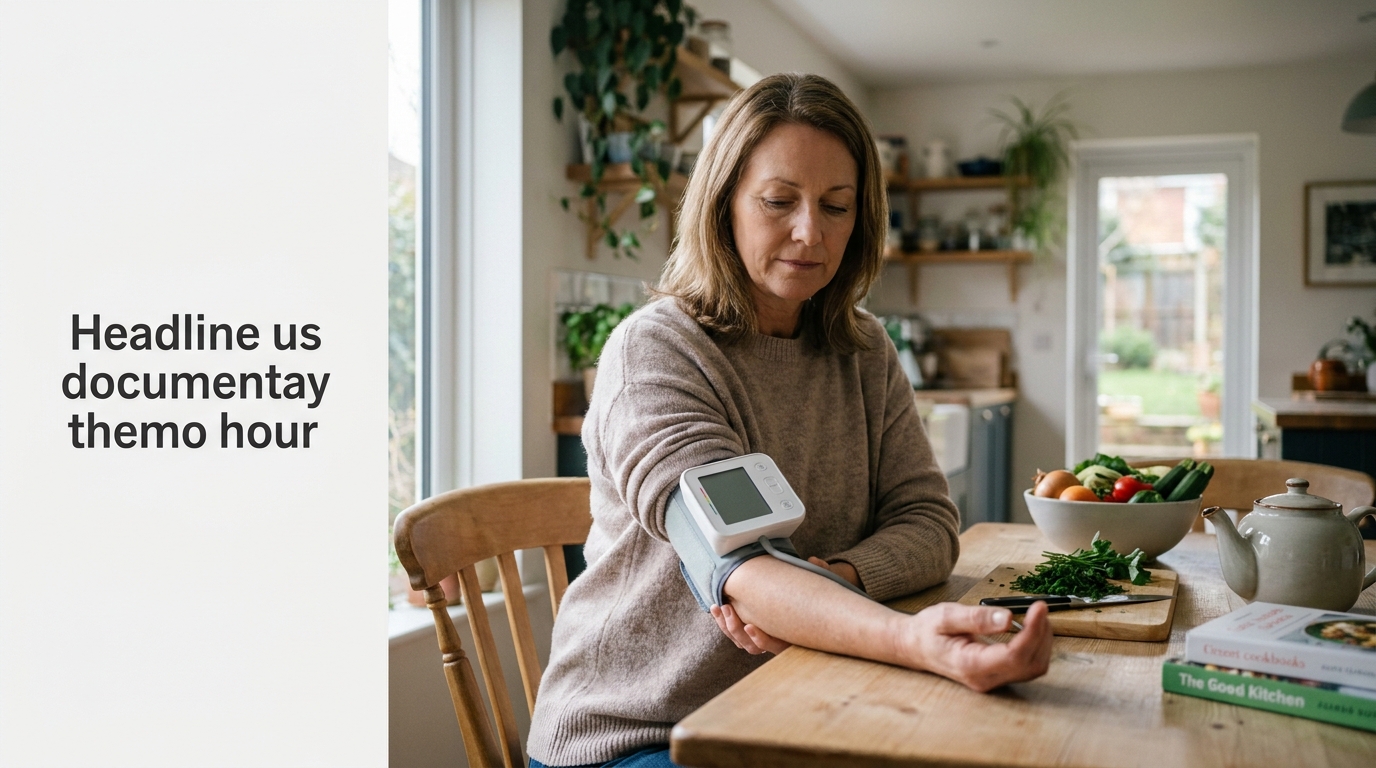
Home monitoring has become a standard complement to clinical care. It helps detect white-coat and masked hypertension, confirms the accuracy of office readings, and allows individuals to track their response to lifestyle changes or medication over time.
Choosing a monitor: Use a validated upper-arm cuff monitor rather than a wrist device, as upper-arm monitors are more accurate. Look for devices that have been validated by organizations such as the American Medical Association’s Blood Pressure Validated Device Listing at validatebp.org. Quality validated monitors range from approximately $30 to $80, with many reliable options available in drug stores and online.
Best practices for accurate readings:
- Avoid caffeine, exercise, and smoking for at least 30 minutes before measuring.
- Sit quietly for 5 minutes before taking a reading.
- Sit with your back supported, feet flat on the floor, and your arm resting at heart level on a flat surface.
- Take two readings one minute apart and record both.
- Measure at the same time each day — morning (before medication, if applicable) and evening are commonly recommended.
- Keep a log to share with your healthcare provider.
A blood pressure diary — whether a paper log, a smartphone app, or data stored in a Bluetooth-connected monitor — gives clinicians far richer information than a single office snapshot. Many devices now sync directly to health apps, and some telehealth platforms incorporate home readings directly into patient records.
Conclusion
Hypertension is a condition that affects millions of people and evolves silently over many years, but it is also one of the most modifiable risk factors in all of medicine. Understanding how blood pressure is measured, what the categories mean, and how lifestyle choices translate into measurable reductions in blood pressure puts individuals in a strong position to take meaningful action. Whether through the DASH diet, consistent physical activity, weight management, better sleep, or home monitoring, the tools to protect cardiovascular health are accessible and well-supported by evidence.
That said, hypertension is not a condition to navigate alone. Regular check-ins with a healthcare provider — and increasingly, with the support of digital health tools — remain essential to tailoring a management plan that fits individual circumstances, risk levels, and preferences. The information here is intended to inform and empower, not to replace the personalized guidance of a qualified clinician.
Sources and Further Reading
- American Heart Association — Understanding Blood Pressure Readings: https://www.heart.org/en/health-topics/high-blood-pressure/understanding-blood-pressure-readings
- CDC — Facts About Hypertension: https://www.cdc.gov/bloodpressure/facts.htm
- National Heart, Lung, and Blood Institute — DASH Eating Plan: https://www.nhlbi.nih.gov/health-topics/dash-eating-plan
- ACC/AHA 2017 High Blood Pressure Guideline: https://www.ahajournals.org/doi/10.1161/HYP.0000000000000065
- American Medical Association — Validated Blood Pressure Device Listing: https://validatebp.org
- Whelton PK et al., “2017 ACC/AHA Guideline for the Prevention, Detection, Evaluation, and Management of High Blood Pressure in Adults,” Journal of the American College of Cardiology, 2018.
- SPRINT Research Group, “A Randomized Trial of Intensive versus Standard Blood-Pressure Control,” New England Journal of Medicine, 2015: https://www.nejm.org/doi/full/10.1056/NEJMoa1511939
This article is intended for general informational purposes only and does not constitute medical advice. Always consult a qualified healthcare professional for diagnosis, treatment, and personalized guidance regarding your blood pressure and cardiovascular health.
