
Best Anti-Inflammatory Foods to Add to Your Diet
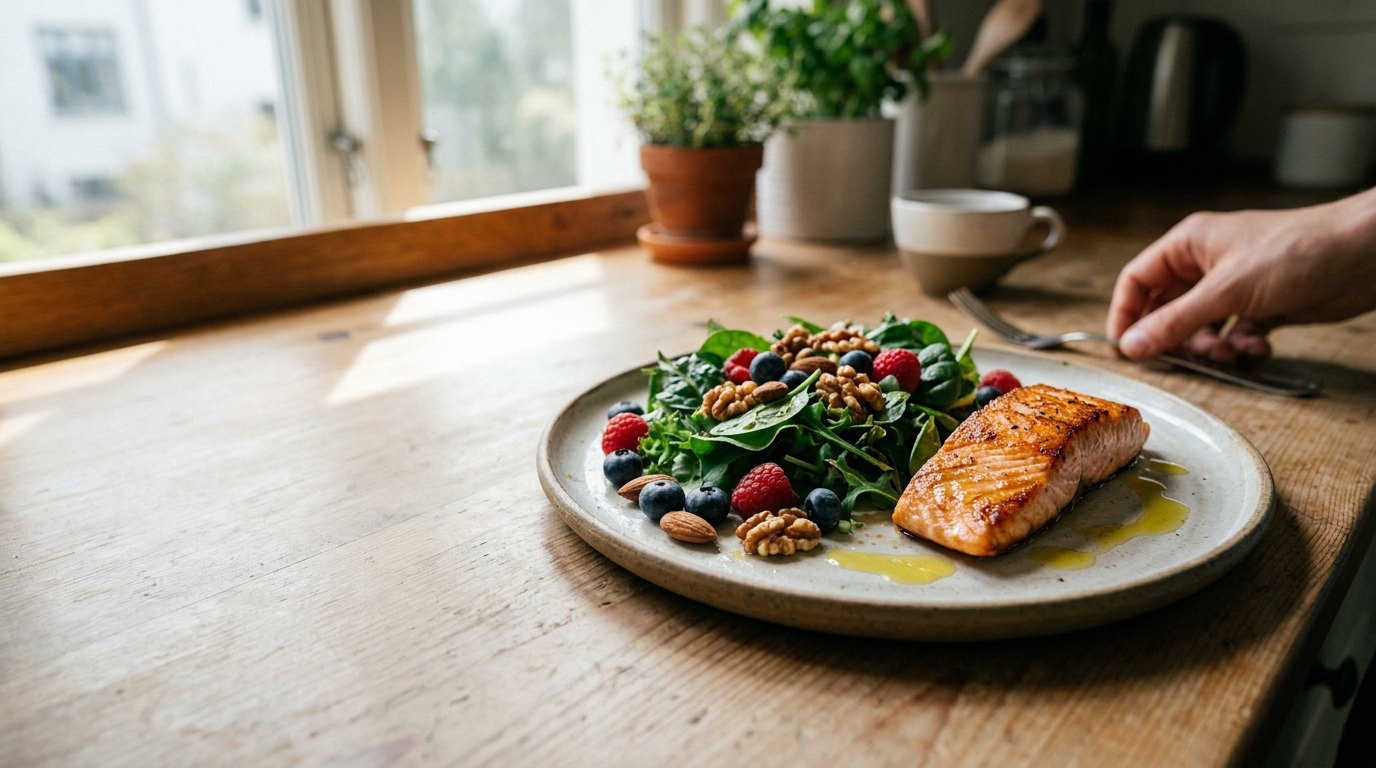
Fight Inflammation From the Inside Out: A Guide to Anti-Inflammatory Eating
Inflammation is a natural and necessary part of the body’s immune response — it’s how we heal from injuries and fight off infections. But when inflammation becomes chronic, lingering in the background for months or years, it becomes a different story. Research increasingly links chronic low-grade inflammation to a wide range of serious health conditions, including heart disease, type 2 diabetes, certain cancers, and neurodegenerative disorders like Alzheimer’s disease.
The good news? What you eat can play a significant role in either stoking or calming that inflammatory fire. Certain foods contain compounds — antioxidants, polyphenols, omega-3 fatty acids, and beneficial microbes — that have been shown in scientific studies to reduce inflammatory markers in the body. This article walks through eleven of the most evidence-backed anti-inflammatory foods, how often to eat them, and simple ways to incorporate them into your daily life.
Please note: This article is intended for general informational purposes only and is not a substitute for professional medical advice, diagnosis, or treatment. Always consult your healthcare provider before making significant dietary changes, especially if you have a chronic health condition.
1. Leafy Greens
Spinach, kale, Swiss chard, arugula, and collard greens are nutritional powerhouses loaded with vitamins K and E, folate, and flavonoids — all of which have demonstrated anti-inflammatory properties. A large study published in the American Journal of Clinical Nutrition found that high intake of green leafy vegetables was associated with lower levels of C-reactive protein (CRP), a key marker of systemic inflammation.
Suggested frequency: Aim for at least one to two cups daily.
Easy additions: Toss a handful of spinach into smoothies (you won’t taste it), layer arugula under eggs, or wilt chard into soups and pasta dishes.
2. Fatty Fish (Omega-3 Rich)
Salmon, sardines, mackerel, herring, and anchovies are among the richest dietary sources of long-chain omega-3 fatty acids — specifically EPA (eicosapentaenoic acid) and DHA (docosahexaenoic acid). These fatty acids are precursors to compounds called resolvins and protectins, which actively signal the body to reduce inflammatory activity. A meta-analysis published in PLOS ONE confirmed that omega-3 supplementation significantly reduced CRP and interleukin-6 (IL-6), two important inflammatory markers.
Suggested frequency: Two to three servings per week, as recommended by the American Heart Association.
Easy additions: Enjoy baked salmon with roasted vegetables, add canned sardines to crackers or salads, or stir anchovies into pasta sauces where they dissolve completely and add umami depth without a “fishy” taste.
3. Berries
Blueberries, strawberries, raspberries, and blackberries are rich in anthocyanins — the pigments that give them their vibrant colors and also act as potent antioxidants. Research published in the Journal of Nutrition found that consuming blueberries regularly reduced NF-kB pathway activation, a molecular mechanism central to inflammation. Berries also contain vitamin C and quercetin, both of which have additional anti-inflammatory effects.
Suggested frequency: One half to one cup daily or at least four to five times per week.
Easy additions: Add to oatmeal or yogurt at breakfast, blend into smoothies, or eat a small handful as an afternoon snack.
4. Olive Oil (Extra Virgin)
Extra virgin olive oil (EVOO) is a cornerstone of the Mediterranean diet, which is consistently ranked among the most anti-inflammatory dietary patterns in the world. EVOO contains oleocanthal, a phenolic compound that has been shown to inhibit the same inflammatory enzymes (COX-1 and COX-2) targeted by ibuprofen — though in much smaller amounts. A study published in Nature by researcher Gary Beauchamp brought this discovery to mainstream attention and sparked significant further research.
Suggested frequency: Two to four tablespoons daily as your primary cooking fat.
Easy additions: Drizzle over salads, use as a finishing oil on soups or roasted vegetables, or dip whole grain bread in a small bowl with herbs.
5. Nuts and Seeds
Walnuts, almonds, flaxseeds, chia seeds, and hemp seeds all contain healthy fats, fiber, and polyphenols that help reduce inflammation. Walnuts, in particular, are notable for their plant-based omega-3 content (ALA — alpha-linolenic acid). A study in the American Journal of Clinical Nutrition found that regular nut consumption was associated with lower levels of inflammatory biomarkers, including IL-6 and CRP.
Suggested frequency: A small handful of nuts (about one ounce) or one to two tablespoons of seeds daily.
Easy additions: Sprinkle ground flaxseed into oatmeal, add walnuts to salads, or stir chia seeds into yogurt or overnight oats where they absorb liquid and create a pudding-like texture.
6. Fermented Foods
Yogurt, kefir, sauerkraut, kimchi, miso, tempeh, and kombucha contain live beneficial bacteria known as probiotics. A landmark 2021 study from Stanford University published in Cell found that a diet high in fermented foods significantly increased microbiome diversity and decreased inflammatory proteins, including IL-6 and IL-12. A healthy gut microbiome plays a crucial role in immune regulation, and supporting it with fermented foods appears to have measurable anti-inflammatory effects.
Suggested frequency: At least one serving daily.
Easy additions: Have a small bowl of plain yogurt with berries, add kimchi or sauerkraut as a condiment to grain bowls or sandwiches, or stir miso paste into warm (not boiling) water for a simple broth.
7. Turmeric and Ginger
Turmeric contains curcumin, one of the most well-researched natural anti-inflammatory compounds. A review in Nutrients found that curcumin can suppress multiple inflammatory signaling pathways, including NF-kB. However, curcumin is poorly absorbed on its own — combining it with black pepper (which contains piperine) increases absorption by up to 2,000%. Ginger contains gingerols and shogaols, compounds shown in clinical studies to reduce inflammatory cytokines and provide relief comparable to NSAIDs in some joint pain studies.
Suggested frequency: Daily if possible — even small amounts are beneficial.
Easy additions: Add turmeric and black pepper to scrambled eggs, soups, or rice. Grate fresh ginger into tea, salad dressings, or stir-fries. A golden milk latte made with turmeric, ginger, black pepper, and warm milk (dairy or plant-based) is a soothing evening option.
8. Green Tea
Green tea is rich in epigallocatechin-3-gallate (EGCG), a powerful catechin with well-documented anti-inflammatory and antioxidant properties. Research published in the Journal of Inflammation found that EGCG inhibits the production of pro-inflammatory cytokines and may protect against DNA damage caused by oxidative stress. Matcha, a powdered form of green tea, delivers even higher concentrations of these beneficial compounds since you consume the whole leaf.
Suggested frequency: Two to three cups per day.
Easy additions: Swap your afternoon coffee for a cup of brewed green tea, make iced green tea to keep in the fridge, or try a simple matcha latte with oat or almond milk.
9. Dark Chocolate (70%+)
Good news for chocolate lovers: dark chocolate containing at least 70% cacao is packed with flavanols, particularly epicatechin, which has been shown to reduce markers of inflammation including CRP and oxidized LDL cholesterol. A study in the Journal of Nutrition found that regular consumption of dark chocolate was associated with reduced inflammatory markers in otherwise healthy adults. The higher the cacao percentage, the lower the sugar content and the more potent the anti-inflammatory benefit.
Suggested frequency: One to two small squares (about one ounce) a few times per week.
Easy additions: Eat a small square after meals, grate over oatmeal, or add cacao nibs to trail mix or smoothies for a less sweet, whole-food version.
10. Tomatoes
Tomatoes are rich in lycopene, a carotenoid antioxidant that has been shown to reduce inflammation, particularly in cardiovascular tissue. Interestingly, cooked tomatoes deliver significantly more bioavailable lycopene than raw ones, and absorption is further enhanced when eaten with healthy fats like olive oil. Research in the British Journal of Nutrition found that tomato consumption reduced levels of TNF-alpha, another key inflammatory marker.
Suggested frequency: Daily in various forms — raw, cooked, or as sauce.
Easy additions: Use canned tomatoes as a base for soups, stews, and sauces. Roast cherry tomatoes in olive oil for an intensely flavored side dish, or add fresh sliced tomatoes to sandwiches and salads.
11. Cruciferous Vegetables
Broccoli, cauliflower, Brussels sprouts, cabbage, and bok choy belong to the Brassica family and contain sulforaphane, a sulfur-containing compound that activates Nrf2 — a cellular pathway that regulates antioxidant defenses and reduces inflammation. A study in the Journal of the Academy of Nutrition and Dietetics found that higher cruciferous vegetable intake was associated with significantly lower inflammatory markers in women.
Suggested frequency: At least three to five servings per week.
Easy additions: Roast broccoli or Brussels sprouts in EVOO, shred cabbage into slaws, or add cauliflower to curries and soups where it absorbs surrounding flavors beautifully.
1-Day Sample Anti-Inflammatory Menu
Breakfast: Overnight oats made with rolled oats, chia seeds, blueberries, and a dollop of plain Greek yogurt. Served with a cup of green tea.
Mid-Morning Snack: A small handful of walnuts and a square of 85% dark chocolate.
Lunch: Large leafy green salad with arugula, spinach, cherry tomatoes, shredded red cabbage, canned sardines, and a drizzle of extra virgin olive oil and lemon juice. Whole grain bread on the side.
Afternoon Snack: Golden milk latte made with turmeric, ginger, black pepper, and oat milk.
Dinner: Baked salmon with roasted broccoli and Brussels sprouts tossed in EVOO. Side of brown rice with a spoonful of kimchi.
Dessert: A small bowl of mixed berries with a drizzle of honey.
5 Ultra-Processed Foods to Swap Out
Reducing inflammatory foods is just as important as adding beneficial ones. Consider replacing these common culprits:
- Sugary breakfast cereals → Swap for oatmeal topped with berries and nuts
- Processed deli meats → Swap for canned salmon, sardines, or roasted chicken breast
- Vegetable/seed oils (corn, soybean, sunflower) → Swap for extra virgin olive oil or avocado oil
- Flavored yogurts with added sugar → Swap for plain Greek yogurt with fresh fruit
- Packaged chips and crackers → Swap for whole grain crackers with nut butter or hummus
Final Thoughts
Eating to reduce inflammation doesn’t require a dramatic overhaul or an expensive grocery list. It’s about making consistent, sustainable swaps and additions over time. Many of these foods work synergistically — pairing turmeric with black pepper, tomatoes with olive oil, or berries with yogurt amplifies their individual benefits. Think of an anti-inflammatory diet less as a rigid plan and more as a flavorful framework centered on whole, minimally processed foods.
Small, steady changes accumulated over weeks and months can make a meaningful difference in how you feel — and the science suggests, in your long-term health outcomes as well.
Sources and Further Reading
- Beauchamp, G.K. et al. (2005). Phytochemistry: Ibuprofen-like activity in extra-virgin olive oil. Nature. https://www.nature.com/articles/437045a
- Wastyk, H.C. et al. (2021). Gut-microbiota-targeted diets modulate human immune status. Cell. https://doi.org/10.1016/j.cell.2021.06.019
- Calder, P.C. (2010). Omega-3 fatty acids and inflammatory processes. Nutrients. https://www.mdpi.com/2072-6643/2/3/355
- Hewlings, S.J. & Kalman, D.S. (2017). Curcumin: A review of its effects on human health. Foods. https://doi.org/10.3390/foods6100092
- American Heart Association — Fish and Omega-3 Fatty Acids: https://www.heart.org/en/healthy-living/healthy-eating/eat-smart/fats/fish-and-omega-3-fatty-acids
- Harvard T.H. Chan School of Public Health — The Nutrition Source (Anti-Inflammatory Diet): https://www.hsph.harvard.edu/nutritionsource/anti-inflammatory-diet/
