
The Most Common Car Problems After 100,000 Miles
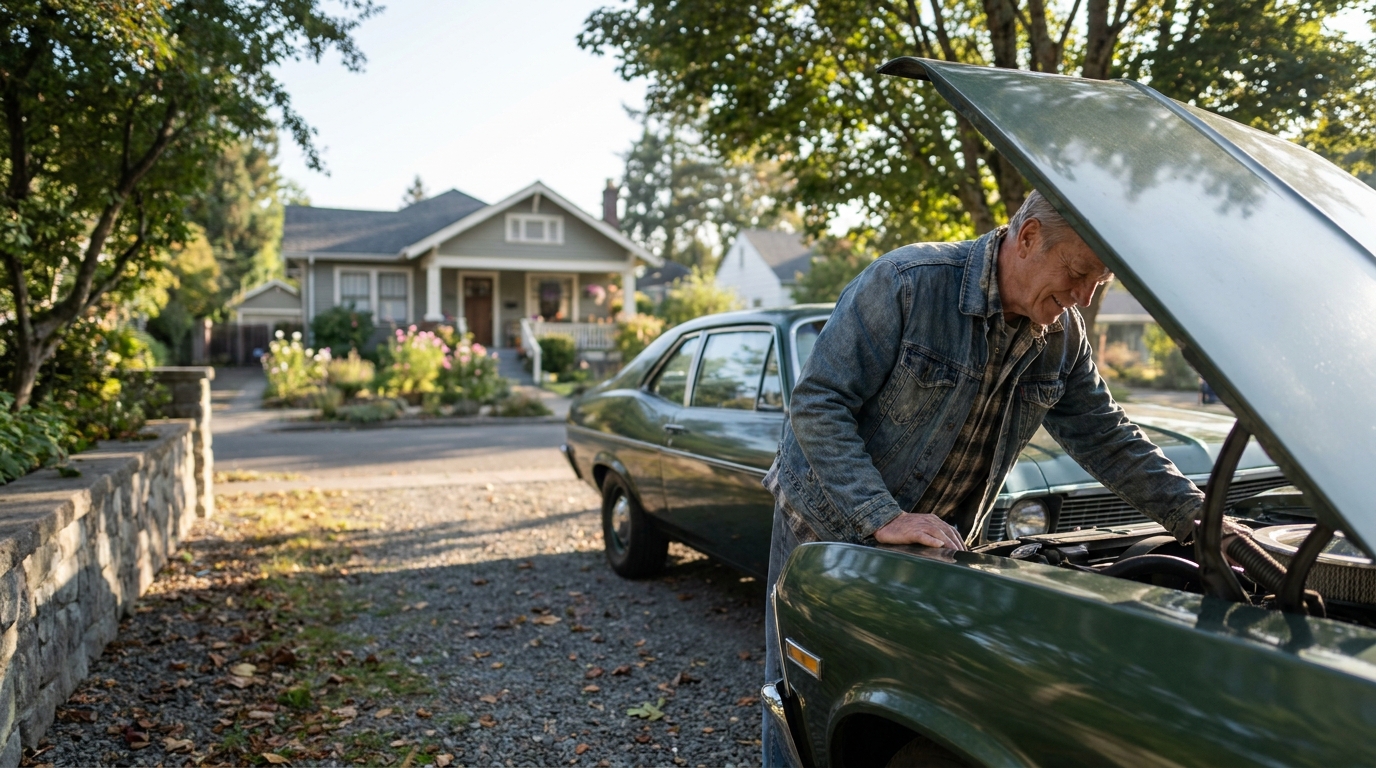
Hitting the six-figure mark on your odometer is a milestone worth celebrating — but it also signals that your vehicle is entering a new phase of life. Cars past 100,000 miles aren’t automatically headed for the junkyard, but they do demand closer attention and more proactive maintenance. The good news is that with modern engineering, many vehicles run reliably well past 200,000 miles when properly cared for. The key is knowing which systems are most vulnerable, what warning signs to watch for, and when it makes more financial sense to repair rather than replace.
Timing Belt or Chain
The timing belt or chain is one of the most critical components in your engine. It synchronizes the crankshaft and camshaft, ensuring your valves open and close at precisely the right moments. Timing belts (rubber, found on many Honda, Toyota, and Subaru models) typically need replacement between 60,000–100,000 miles. If you’ve crossed 100,000 miles without replacing yours, it’s urgent.
Warning signs: A ticking noise near the top of the engine, difficulty starting, rough idling, or visible cracking on the belt itself. Often, there are no warning signs — the belt simply snaps without notice.
Average cost: Timing belt replacement runs $300–$1,000 depending on labor and whether the water pump is replaced at the same time (recommended). Timing chain replacement, typically needed on higher-mileage vehicles, costs $800–$1,800 due to increased labor.
If the belt breaks while driving, it can destroy your engine entirely — a repair that can exceed $4,000–$8,000 on many vehicles. Don’t skip this one.
Water Pump
The water pump circulates coolant throughout your engine to prevent overheating. It’s closely related to the timing belt system on many vehicles, which is why mechanics often recommend replacing both components simultaneously — the labor is already there.
Warning signs: Coolant leaks near the front of the engine, a whining or grinding noise from the front of the engine bay, engine overheating, or steam coming from under the hood.
Average cost: When replaced alongside a timing belt, the additional cost is typically just $50–$200 in parts. Standalone water pump replacement runs $300–$750 depending on the vehicle and accessibility.
Ignoring a failing water pump almost always leads to overheating, which can warp cylinder heads — a repair that routinely costs $1,500–$3,000 or more.
Transmission Service
Automatic transmissions are sophisticated and expensive. By 100,000 miles, the transmission fluid — if never changed — has broken down significantly, contributing to wear on internal components. Many manufacturers claim “lifetime fluid,” but most transmission specialists disagree strongly with that designation.
Warning signs: Slipping between gears, delayed engagement when shifting from park to drive, rough or jerky shifting, unusual whining noises, or a burnt smell from the fluid.
Average cost: A transmission fluid flush and filter change costs $150–$300. A full transmission rebuild or replacement, if the damage has progressed, runs $1,800–$5,000+ depending on the vehicle.
This is one of the easiest high-mileage problems to prevent. If your transmission fluid is dark brown or smells burnt, service it immediately.
Suspension: Struts and Control Arms
Your suspension system absorbs road impacts and keeps your tires in proper contact with the road. Struts and shocks typically last 50,000–100,000 miles, and control arm bushings and ball joints wear out over time from constant stress and road vibration.
Warning signs: Bouncing excessively after going over bumps, uneven tire wear, pulling to one side while driving, clunking or knocking noises over bumps, or a feeling of looseness in the steering.
Average cost: Strut replacement typically costs $450–$900 per axle (front or rear). Control arm replacement runs $150–$400 per arm, including labor. Failing to address worn suspension not only affects ride quality — it accelerates tire wear and reduces braking effectiveness, creating genuine safety risks.
Oxygen Sensor and Catalytic Converter
Oxygen sensors monitor the exhaust gases leaving your engine and help the engine control unit (ECU) optimize the air-fuel mixture. They typically last 60,000–100,000 miles. A failing oxygen sensor doesn’t just trigger a check engine light — it forces the engine to run rich (too much fuel), which over time can damage your catalytic converter.
Warning signs: Illuminated check engine light (codes P0136, P0141, or similar), reduced fuel economy, rough idling, or a rotten egg smell from the exhaust.
Average cost: An oxygen sensor replacement costs $150–$500 depending on how many sensors need replacing and labor rates. A catalytic converter replacement, however, is dramatically more expensive at $900–$2,500+, and on some trucks and SUVs, even higher. Catalytic converters also remain a frequent theft target due to their precious metal content.
Replacing a faulty oxygen sensor promptly is one of the best investments you can make to protect the catalytic converter downstream.
Alternator and Starter
Your alternator charges the battery and powers electrical systems while the engine runs. The starter cranks the engine when you turn the key. Both components commonly fail in the 100,000–150,000 mile range.
Warning signs for alternator: Dimming headlights, battery warning light, dead or repeatedly dying battery, flickering interior lights, or a whining noise from the engine bay.
Warning signs for starter: A clicking noise when turning the key, slow engine cranking, intermittent starting failure, or a grinding sound during startup.
Average cost: Alternator replacement runs $300–$800 including parts and labor. Starter replacement typically costs $250–$600. These are straightforward repairs, but failing to address them can leave you stranded unexpectedly.
Rust Spots
Surface rust is cosmetic. Structural rust is dangerous. Vehicles in northern states or coastal areas are especially vulnerable due to road salt and humidity. By 100,000 miles — particularly on vehicles a decade or older — rust may have taken hold on the frame, subframe, brake lines, fuel lines, or body panels.
Warning signs: Visible orange or brown discoloration on the undercarriage, bubbling paint on body panels, soft or flaking metal around wheel wells, or squeaking and creaking from the frame.
Average cost: Surface rust treatment and touch-up paint runs $50–$300 as a DIY project or $200–$1,000 at a body shop. Structural rust repair, particularly on frame rails, can cost $1,500–$5,000+ — and in some cases, the vehicle becomes unsafe to repair economically. Annual undercoating treatments ($100–$200) are excellent preventive investments in high-salt climates.
AC Compressor
The air conditioning compressor pressurizes refrigerant to cool the cabin air. Like many components, it’s subjected to constant cycling stress and often fails around the 100,000-mile mark — and sometimes earlier in very hot climates.
Warning signs: Warm air from vents despite AC being on, loud clunking or squealing when the AC is activated, visible refrigerant leaks under the vehicle, or the AC clutch not engaging.
Average cost: AC compressor replacement costs $800–$1,500 on most vehicles, including refrigerant recharge and labor. If the compressor seized and sent debris through the AC system, a full system flush and replacement of additional components can push the cost to $2,000+.
Electrical Gremlins
Modern vehicles are rolling computers, and by 100,000 miles, aging wiring harnesses, corroded connectors, failing sensors, and worn-out modules can cause all manner of mysterious problems. These issues are notoriously difficult to diagnose because they often appear intermittently.
Common culprits: Cracked wiring insulation, corroded ground connections, failing mass airflow sensors, malfunctioning ABS modules, faulty window regulators, and dying body control modules (BCMs).
Warning signs: Random warning lights, accessories working intermittently, power windows failing, unusual behavior from the dashboard, or electrical drains killing the battery overnight.
Average cost: Costs vary wildly — a corroded ground connection might take $50–$150 to fix, while replacing a BCM can cost $500–$1,500. Diagnostic fees alone often run $100–$200 per visit. Finding a reputable shop with experienced technicians and proper diagnostic equipment is essential for electrical issues.
Fix or Trade? A Decision Framework
The most important question when a high-mileage car needs a significant repair is this: does the cost of repair make sense relative to the vehicle’s current value and your likely ownership horizon?
Here’s a practical framework:
Step 1 — Know the vehicle’s value. Use Kelley Blue Book (kbb.com) or Edmunds to get a realistic market value for your car in its current condition.
Step 2 — Apply the 50% rule. If a single repair exceeds 50% of the car’s current market value, the repair is financially questionable — especially if the vehicle has other deferred maintenance needs lurking.
Step 3 — Consider repair history and reliability. A well-maintained Honda or Toyota at 120,000 miles that needs a water pump is a very different scenario than a neglected luxury vehicle with multiple failing systems. Consult reliability ratings from Consumer Reports or J.D. Power.
Step 4 — Factor in your total cost of ownership. A $1,200 repair on a paid-off car is still often cheaper than taking on a $500/month car payment — especially when you factor in higher insurance costs on a new vehicle. If the repair gets you another 2–3 years of reliable driving, it frequently makes strong financial sense.
Step 5 — Look at the big picture. If one major system has failed, ask your mechanic to do a thorough inspection. If multiple critical systems are failing simultaneously — transmission, engine, and suspension together — the financial calculus shifts significantly toward replacement.
A 100,000-mile car isn’t a liability by default. With informed, timely maintenance, many vehicles deliver exceptional value well into their second hundred thousand miles. The key is staying ahead of the problems rather than reacting to them.
Sources and Further Reading:
- Kelley Blue Book vehicle valuation tool: kbb.com
- Edmunds True Market Value: edmunds.com
- RepairPal cost estimator (repair cost ranges): repairpal.com
- Consumer Reports vehicle reliability ratings: consumerreports.org
- AutoZone repair help and parts pricing: autozone.com
- Car and Driver: “How Long Do Cars Last?” caranddriver.com
