
Time for a Home Safety Check Essential Tips to Protect Your Family
Is It Time for a Home Safety Check?
Home safety is a crucial aspect of maintaining a secure living environment for you and your family. Over time, various hazards can arise unnoticed, putting your household at risk. In this article, we will explore when and why you should perform a home safety check, along with practical steps to ensure your space remains safe and protected.
Why Regular Home Safety Checks Are Essential
Many homeowners underestimate how quickly safety issues can develop. Electrical faults, fire hazards, gas leaks, and structural problems can all emerge gradually without obvious signs. A regular home safety check helps you identify potential dangers before they escalate. For example, outdated wiring may cause electrical fires, while neglected smoke alarms might fail during an emergency.
Scheduling safety inspections at least twice a year ensures that prevention measures stay up to date. Season changes are a good trigger to remember these checks, such as before winter to avoid heating hazards or after storms to assess wind damage. Moreover, proactively maintaining your home’s safety can reduce insurance costs and increase your property’s overall value.
How to Conduct a Comprehensive Home Safety Check
Performing an effective home safety check involves a systematic review of key areas and systems:
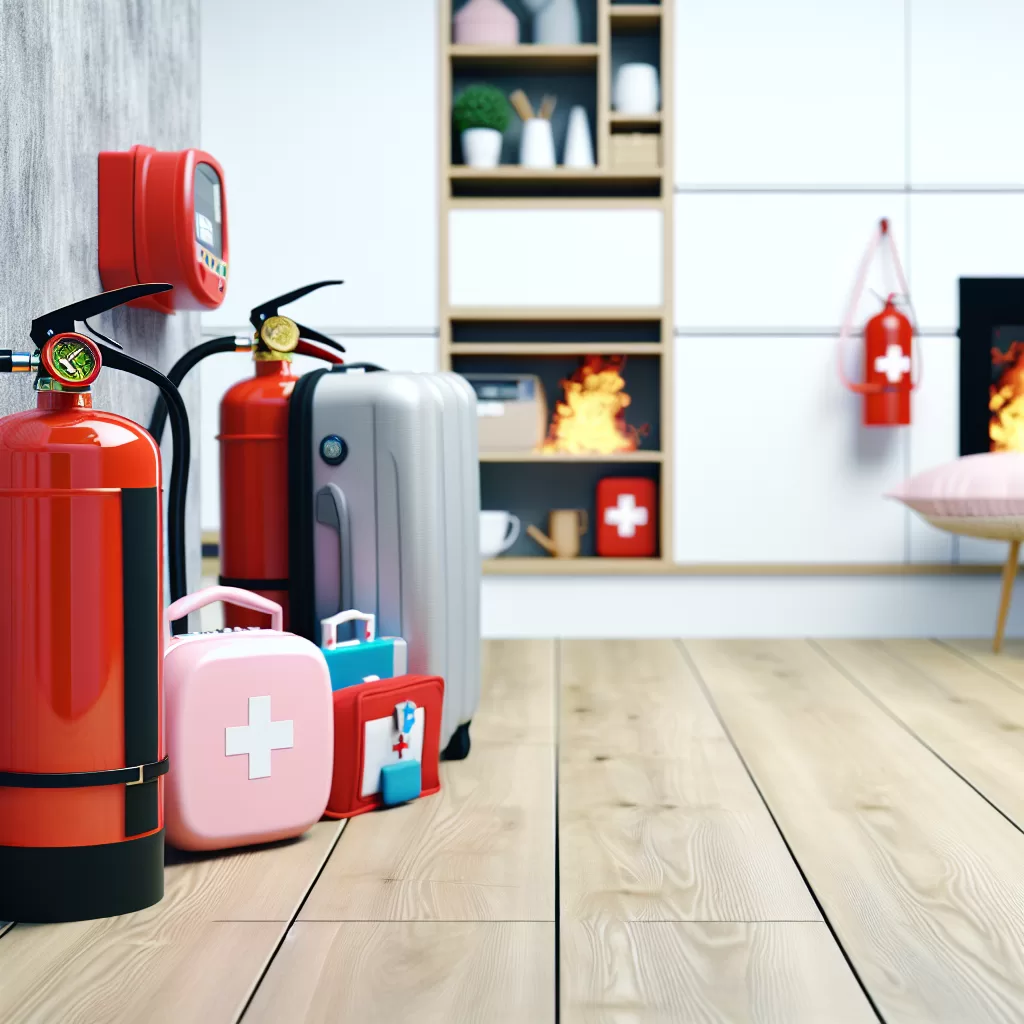
- Fire Safety: Test all smoke and carbon monoxide detectors, replace batteries if needed, and confirm fire extinguishers are fully charged and accessible.
- Electrical Systems: Inspect outlets and cords for fraying, avoid overloading power strips, and ensure circuit breakers are functioning properly.
- Gas and Heating: Check for gas leaks by ensuring appliances are well-maintained and venting systems are clear. Schedule professional furnace inspections annually.
- Structural Integrity: Look for water damage, cracks in walls, or uneven floors that may be signs of hidden issues.
- Security Measures: Test door and window locks, update home security systems, and improve outdoor lighting to deter intruders.
Keeping a checklist and documenting findings can help track repairs and upgrades over time. Also, consider engaging a certified home inspector for a more thorough assessment, especially if you notice issues beyond your expertise.
Conclusion
Regular home safety checks are vital for maintaining a secure and healthy living environment. By scheduling consistent inspections and addressing risks promptly, you protect your household from preventable accidents and potential damage. Taking these proactive steps helps ensure peace of mind and safeguards your home’s integrity for years to come.
